Accessible Holiday Cooking: An Inclusive Thanksgiving Guide
By Celine Rosati Skertich, PT, MS, PCS
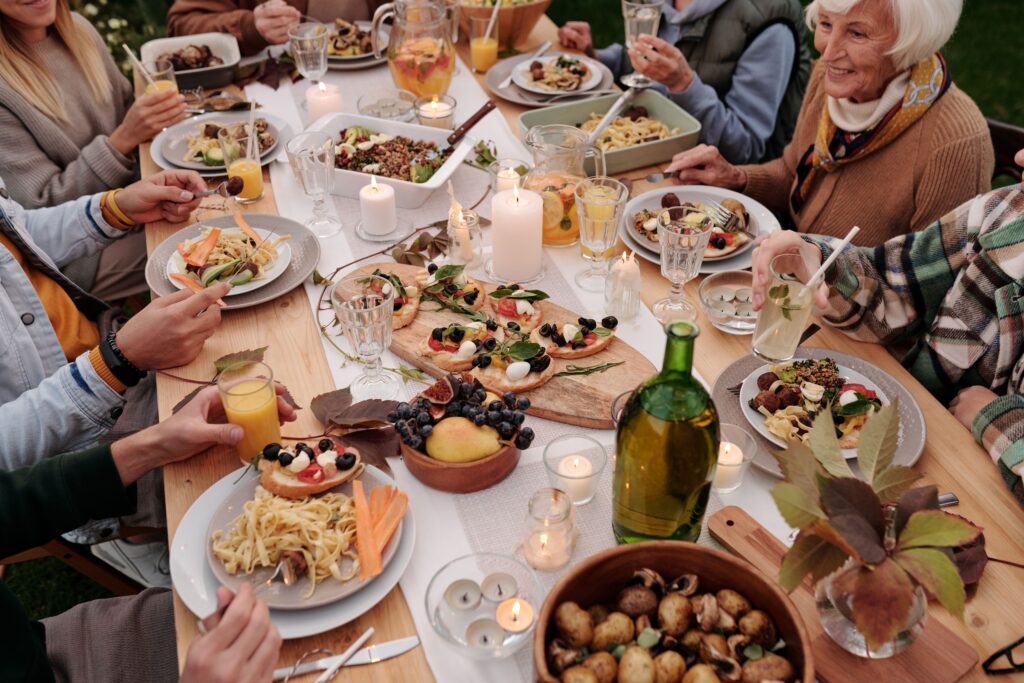
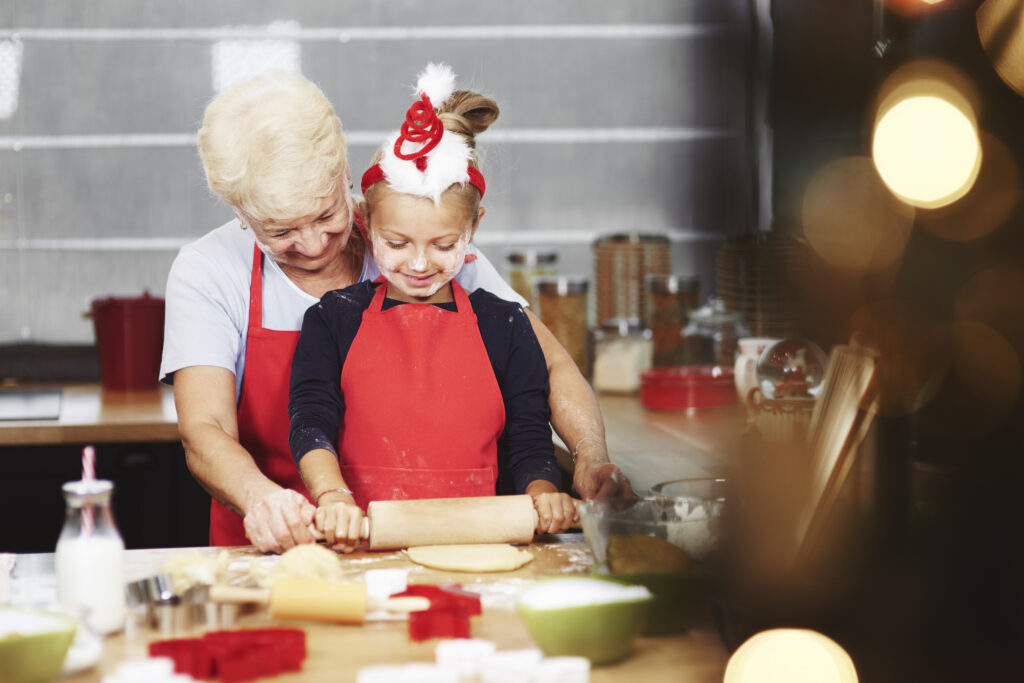
Holiday cooking is the shared preparation of seasonal foods, and accessible holiday cooking makes room for people with different physical abilities to take part. This Thanksgiving, small changes to positioning, utensils, pacing, and the steps in a recipe can help children and adults contribute in ways that matter to them. The goal is not for everyone to prepare an entire meal. It is to make participation possible.
A person might stir the stuffing, brush butter on rolls, decorate cookies, or make place cards. The best starting question is not “Can this person cook?” It is “Which part of cooking can this person do with the right support?”
Why does accessible holiday cooking matter?
Cooking brings people into family traditions. Children can practice following directions, measuring, sequencing, coordination, and communication. Adults may enjoy familiar recipes that connect them to meaningful memories. When pain, weakness, fatigue, or reduced coordination makes a task harder, adapting that task can preserve an active role in the celebration.
The barriers are common. In a nationally representative study of 29,764 Americans age 50 and older, 25.4% reported difficulty with at least one instrumental activity of daily living. The activities assessed included preparing hot meals, shopping, and other daily tasks (Knoll et al., 2023). The figure does not mean that one in four had difficulty specifically with cooking, but it illustrates how often complex daily activities present challenges.
A meaningful contribution could be adding seasoning, pouring a premeasured ingredient, writing a name card, or helping serve a dish. Participation does not require completing every step.
What makes Thanksgiving cooking difficult, and what can help?
Begin by looking at the individual, the setup, and the activity. A person may move their arm well but have difficulty keeping a spoon in their hand. Someone else may grasp utensils comfortably but tire while standing. Each barrier calls for a different adaptation.
| Activity barrier | Practical adaptation | Participation goal |
| Limited standing tolerance | Seated work surface | Mix or decorate |
| Fatigue or reduced endurance | Short steps and planned breaks | Complete a chosen part |
| Painful or weak grasp | Built-up handle or grip assist | Stir or brush |
| Unsteady bowl | Nonslip mat | Scoop or mix |
| Limited reach | Supplies within easy reach | Add ingredients |
| Difficult multistep recipe | Premeasure and cue one step | Pour or season |
Pro Tip: Before inviting someone to begin, set one stable bowl and one utensil at their comfortable working height. Offer a quick trial with cold ingredients to check reach, control, and fatigue before the kitchen gets busy.
How do energy conservation techniques help with holiday cooking?
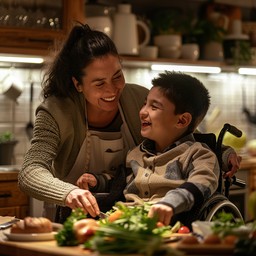
Energy conservation means using available energy efficiently, not avoiding activity. Thanksgiving food preparation may take hours. For someone with limited endurance, pacing can preserve energy for enjoying the meal and time with family.
- Sit at a stable table or accessible work surface when possible.
- Gather ingredients and utensils before starting.
- Divide a long recipe into shorter tasks with rest breaks.
- Alternate demanding activities with simpler ones.
- Choose lightweight containers or prepared ingredients when helpful.
- Slide suitable items across the counter instead of carrying them.
For example, a person who cannot manage the whole pumpkin pie recipe might mix the filling or add cinnamon. The contribution remains part of the finished dish.
Which joint protection techniques can make cooking easier?
Cooking asks our hands and arms to grip, pinch, twist, lift, and stir repeatedly. Those demands can be especially uncomfortable for people with arthritis or chronic joint pain. A U.S. survey analysis estimated that 53.2 million adults, or 21.2% of the adult population, had diagnosed arthritis during 2019 to 2021 (Fallon et al., 2023).
Joint protection techniques reduce unnecessary strain while supporting movement. Consider using two hands for larger objects, selecting lightweight bowls, keeping supplies close, and choosing handles that require less forceful gripping. When appropriate, use stronger shoulder and arm muscles to move objects rather than relying on small hand joints.
Why do arm positioning and adaptive cooking tools matter?
Hand skills depend on more than the fingers. The shoulder, elbow, forearm, and wrist provide the stability and orientation needed to control a utensil. Supporting the forearm on the table may reduce the work of holding the arm up. Moving a bowl closer can reduce reach and make stirring easier.
Adaptive cooking tools change the demands of a task. Examples include nonslip mats, built-up handles, easy-open containers, lightweight measuring cups, and grip assists. These adaptations do not create movement. They can make the movement a person already has more useful.
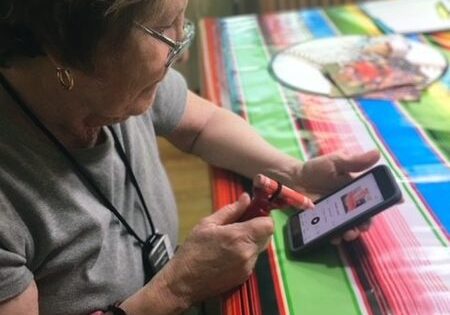
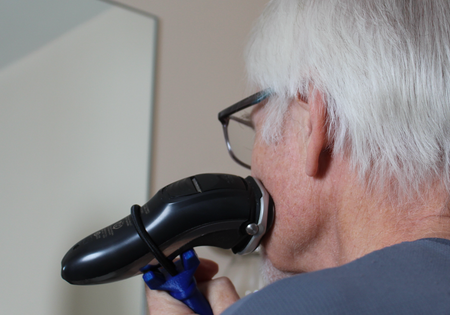
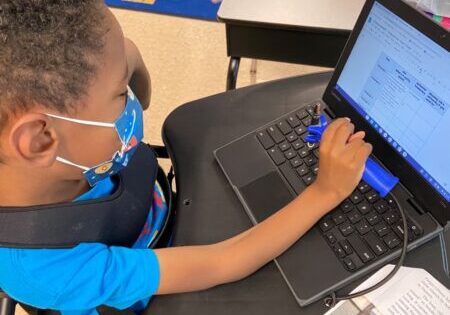
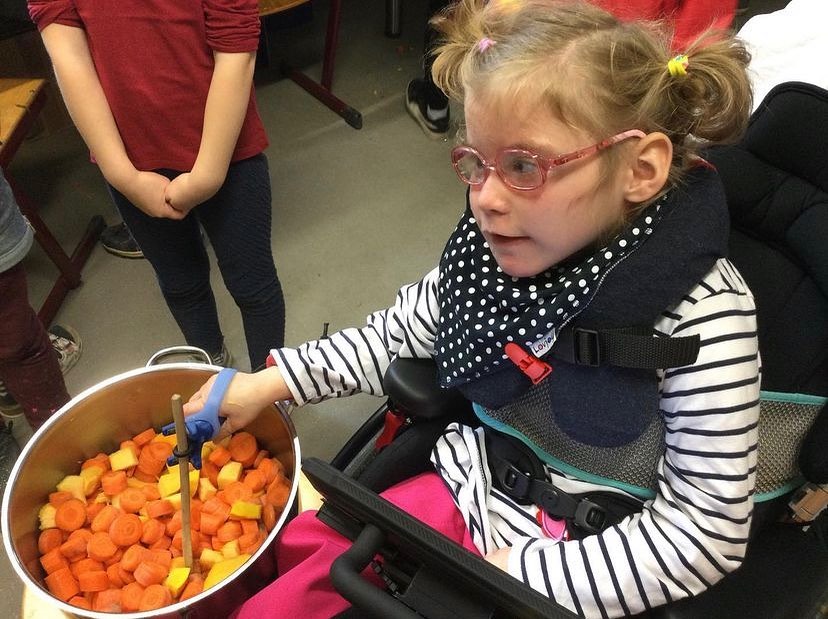
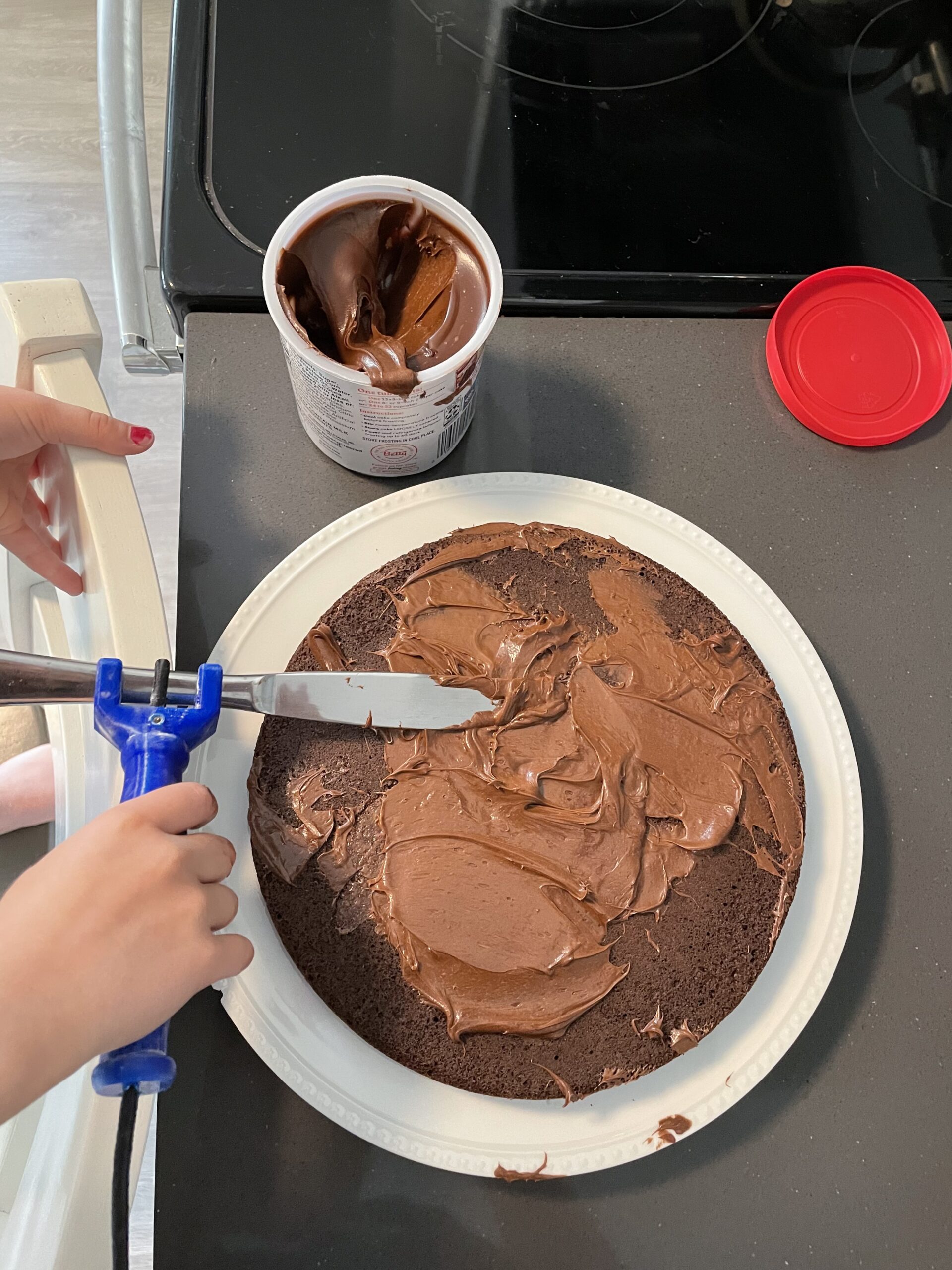
The functionalhand® is an adaptive grip assist developed by an occupational therapist and a physical therapist. It can hold different types of utensils in horizontal or vertical orientations. When a person has sufficient arm movement but difficulty maintaining a grasp, it may help with tasks such as stirring soft ingredients, brushing butter onto safely positioned rolls, or holding a marker for place cards. Tool selection depends on the person, activity, and safety needs.
“The goal is not to do every step alone. The goal is to have a meaningful role in making the meal.”
What are six inclusive Thanksgiving activities to try?
1. Stir the stuffing
Place premeasured ingredients in a stable bowl. Invite the person to pour, season, scoop, or stir. Adapt the spoon grip if needed.
2. Brush butter onto rolls
Arrange safely cooled or positioned rolls on a stable tray. Use a pastry brush for an easy, repeatable movement away from hot cookware.
3. Help make mashed potatoes
Divide the recipe into adding butter, pouring milk, and mixing or mashing soft potatoes. Assign a manageable step to each participant.
4. Decorate Thanksgiving cookies
Offer soft frosting, sprinkles, and simple designs. Adapt the spreading tool or marker for the person’s grasp and movement.
5. Sprinkle the seasoning
Put a measured amount of seasoning in a small accessible container. The person can add it to the recipe with assistance as needed.
6. Create place cards
Use pens, markers, paintbrushes, or stamps to make place cards or menus. This offers a way to prepare for the celebration without handling hot food.
Pro Tip: Assign a real role in the family recipe rather than a separate “practice” activity. If possible, let the participant see or taste the finished dish they helped prepare.
How can family members help without taking over?
Thanksgiving kitchens are busy, and it can be faster to complete a task for someone. When safety permits, offer only the support needed for the person to act. Stabilize the bowl while they stir, open the container while they pour, or premeasure seasoning while they add it. Position the utensil within reach and allow time for the person to initiate the movement.
Support should match the individual. Some people need only a stable setup; others benefit from verbal cues, adapted tools, or hands-on assistance. Independence can mean making choices and taking an active role with support.
What safety precautions matter in an accessible kitchen?
Choose activities that fit the person’s control, attention, endurance, and judgment. Hot cookware, boiling liquids, open flames, sharp knives, heavy pans, and appliances needing rapid reactions may require direct assistance or a different task. Use food-safe utensils, follow hygiene practices, and keep a clear working area.
A person can participate meaningfully without working at the stove. Cold preparation, decorating, seasoning, and table activities offer many options.
Frequently asked questions about accessible holiday cooking
What is accessible cooking?
Accessible cooking changes the environment, equipment, or steps of food preparation so people with different abilities can participate more safely and independently. It starts by identifying the specific barrier to the chosen activity.
What adaptive cooking tools help with weak hands?
Depending on the task, nonslip mats, built-up handles, lighter utensils, easy-open containers, and grip assists can reduce grasp demands. Choose tools according to the person’s movement and ability to control them.
How can someone conserve energy while making Thanksgiving dinner?
Prepare ingredients ahead of time, sit when practical, break work into shorter periods, and plan rest breaks. Prioritize the cooking steps the person most wants to do.
Can children and adults with physical disabilities help cook?
Yes. Stirring, pouring, brushing, seasoning, decorating, and writing place cards can all be adapted. Match the activity to each person’s interests, abilities, and safety needs.
How can Thanksgiving traditions include everyone?
Meaningful participation often begins with a small adjustment: move the bowl closer, support the forearm, shorten the activity, change the tool, or allow more time. This holiday cooking season, make space for each person to choose a role and take part in the traditions that matter to them.
The best outcome is not necessarily a finished recipe made independently. It is the opportunity to say, “I helped make this.”
Order Your functionalhand® Today
If you’re interested in purchasing a universal cuff for yourself or someone you care about, we hope you’ll consider investing in the functionalhand® universal cuff.
You won’t just be purchasing a product; you’ll be investing in a person’s ability to lead a more independent and fulfilling life.
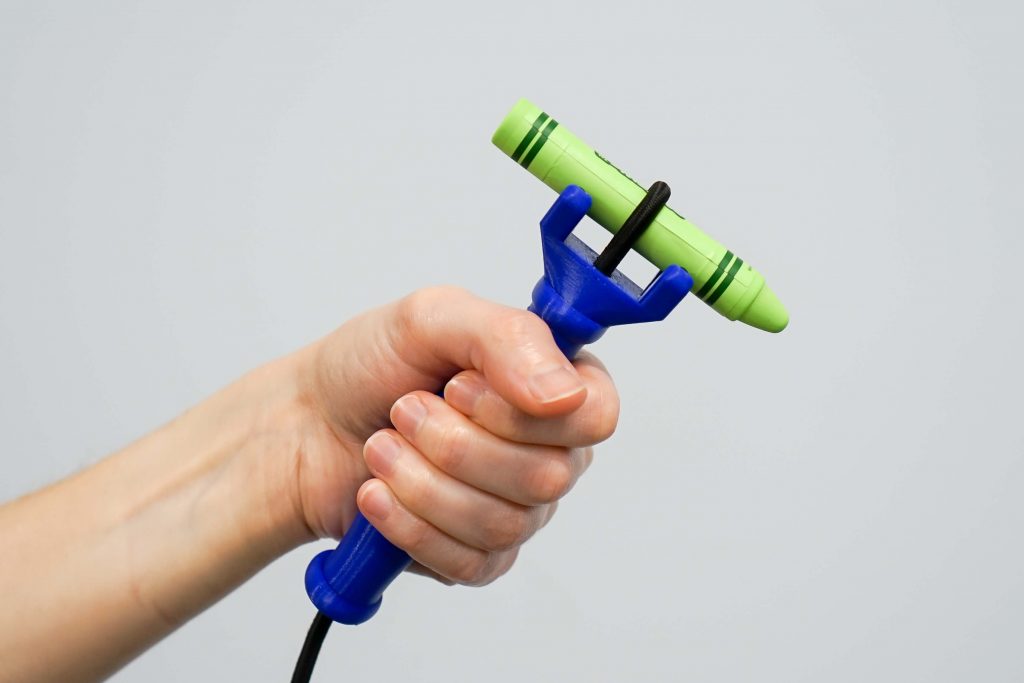
“Just want to say thank you so much for making these! As someone who’s lost a lot of movement in my hands and can no longer write, it’s allowed me to not only write for the first time in ages but also draw! Along with using a knife to spread jam! Thank you so much”
About the Authors, Owners, and Inventors of the functionalhand®
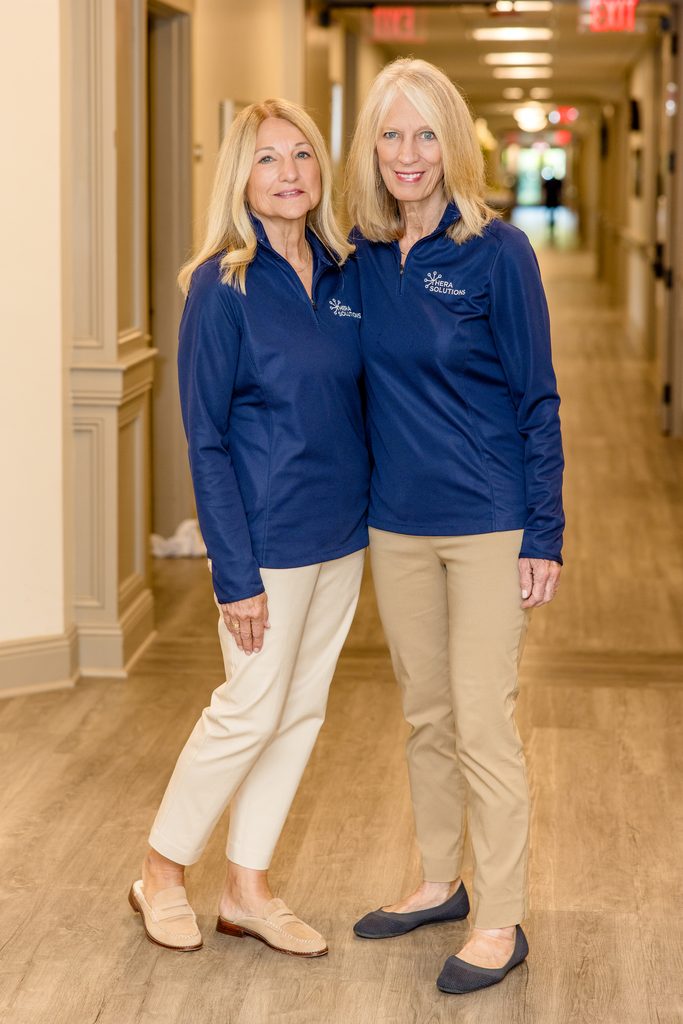
Celine Rosati Skertich, PT, and Linda Merry, OT, each have over 40 years of experience empowering individuals with motor impairments improve postural control and functional independence. Linda specializes in creating custom tools for grasp deficits, inspiring their collaboration on the functionalhand®, an adaptive tool designed to support diverse grasp needs. Follow them for therapeutic tips on YouTube, Instagram, and Facebook.
Celine Skertich, PT, and Linda Merry, OT, co-inventors of functionalhand®, bring decades of clinical experience helping children and adults with motor impairments participate more independently in everyday activities.
Recommended read
- Adaptive Equipment & Teaching Tools for Students with Disabilities
- How the functionalhand® Universal Cuff Transforms Lives for People with a Weak Grip
- Adaptive Equipment for Students with Disabilities: A Guide by Diagnosis and Daily Need
- Best ADL Grip Tools for Seniors
- Accessible Daily Routines Wellness Guide