Family Caregiver Appreciation: Honoring Care and Protecting Wellness
A family caregiver is someone who helps a loved one manage daily life, participate in meaningful activities, and receive the care they need. This November, during National Family Caregivers Month, we celebrate the people who give their time, attention, and care, often in ways others never see. We also consider caregiver stress and the practical support that helps caregivers protect their own well-being.
Who are we honoring during National Family Caregivers Month?
The Caregiver Action Network recognizes family caregivers each November. Some are parents supporting children with disabilities through meals, schoolwork, play, and bedtime. Others help a spouse or friend remain active at home. Sandwich generation caregivers raise children while helping an aging parent or another adult.
AARP and the National Alliance for Caregiving estimated that 63 million U.S. adults provided ongoing care to an adult or a child with a complex medical condition or disability in the previous year. An AARP analysis published in September 2026 identifies nearly 17 million sandwich generation caregivers among those caring for adults. These figures describe family and other informal caregivers; they do not count all paid care workers.
Hired caregivers also deserve recognition. They learn personal routines, notice subtle changes, encourage choices, and bring consistency to everyday activities. Family and paid caregivers may have different roles, but each person’s attention, patience, and reliability can help someone feel seen and supported.
What makes caregiving such meaningful work?
A caregiver’s work can be easy to overlook because much of it happens in ordinary moments: putting a favorite cup within reach, adjusting a chair before a meal, waiting while someone finds the next movement, or making space for a child to choose the color of a drawing. These small acts protect dignity as well as safety.
Caregivers often know when to offer help and when to give someone time. That judgment takes observation, creativity, persistence, and respect. A parent recognizes a child’s quiet signals and advocates for opportunities at school. An adult daughter notices a change in her father’s routine. A hired caregiver remembers how someone likes to begin the day.
Caregiving can bring closeness, shared laughter, and pride in a loved one’s accomplishments. It can also require difficult decisions and changes to work, family plans, or personal time. We honor both the meaningful moments and the effort behind them. Their commitment deserves specific appreciation, practical support, and recognition that caregivers have lives and health needs of their own.
“To every caregiver: we see the care behind the daily routines, the patience behind the repeated efforts, and the person who deserves care, too.”
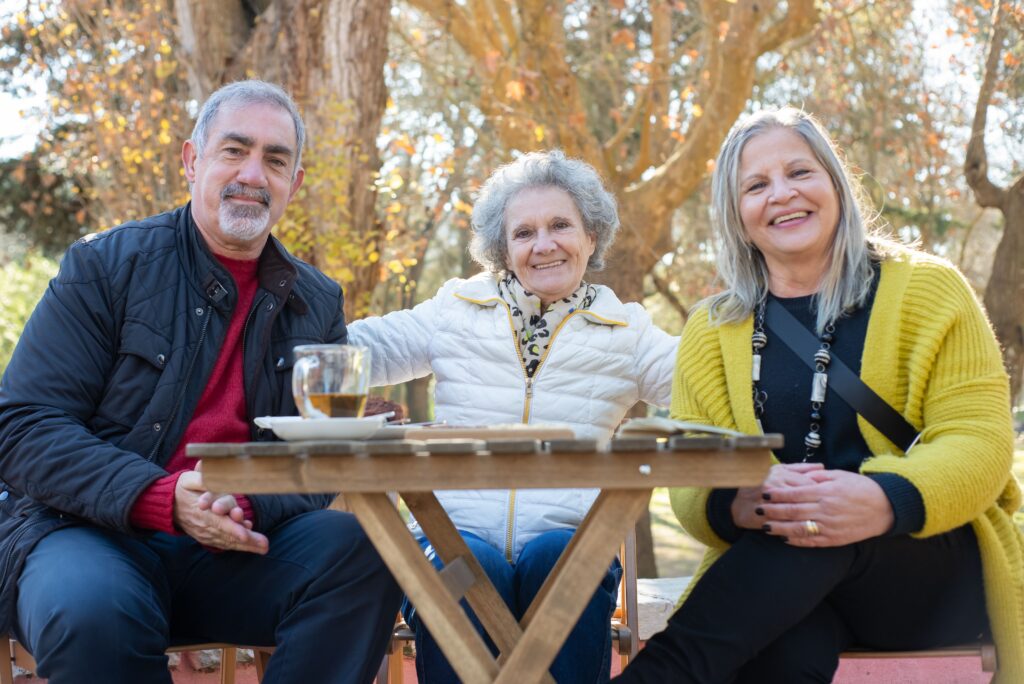
How can we show a family caregiver meaningful appreciation?
Begin by noticing the person behind the caregiving role. Ask about their interests, listen without rushing to solve every problem, and acknowledge something specific they have done. “I noticed how patiently you gave her time to answer” recognizes effort more clearly than a general “You’re amazing.”
Pair appreciation with an offer that fits their circumstances. The ideas below recognize common caregiving contributions and turn gratitude into useful support.
| Caregiver contribution | Everyday value | Supportive response |
| Patient encouragement | Time to choose and participate | Acknowledge a specific moment |
| Appointments and advocacy | Access to care and opportunities | Offer transport or an errand |
| Daily routines | Comfort and consistency | Provide a meal or practical help |
| Attention to preferences | Dignity and personal choice | Listen and follow their guidance |
Ask before stepping in, and follow the caregiver’s guidance about routines and the person’s preferences. A useful offer takes something off their list without creating more planning. For hired caregivers, appreciation can include respectful communication, clear expectations, and protected breaks within their work arrangements.
A caregiver may welcome a conversation about something other than caregiving. Invite them to share what they enjoy, include them in plans, and stay in touch even when they cannot attend. Their role matters, and so does the rest of their life.
Pro Tip: Replace “Let me know if you need anything” with one specific offer: “Could I bring dinner on Thursday?” or “Would it help if I picked up groceries this week?”
How can caregivers recognize caregiver stress and protect wellness?
Caregiver stress can build when responsibilities leave little room to recover. Watch for disrupted sleep, irritability, persistent fatigue, or feeling unable to step away. You can care deeply about someone and still need a break. These experiences deserve support, not a judgment about your commitment.
The CDC recommends respite and everyday self-care, including a break arranged through relatives, community groups, or services. A break can be short. Ask for specific help, such as covering a Tuesday appointment, preparing one meal, or staying with a loved one while you take a walk.
The CDC also suggests a written care plan to keep health details, routines, and contacts in one place. This can ease handoffs between family members and paid caregivers. For local help with older adult services, the Eldercare Locator connects families with caregiver training, transportation, and respite options. Families of children with disabilities can explore CDC caregiver resources and ask their child’s school or care team about local supports.
Pro Tip: Before your next health appointment, write down one concern about your own sleep, energy, or mood. Give your health needs a place on the agenda alongside your caregiving responsibilities.
How do we honor caregivers beyond November?
To the parents supporting children with disabilities, the adults helping spouses and aging parents, the friends who keep showing up, and the hired caregivers who bring thoughtful attention to each day: thank you. Your work helps people experience comfort, choice, connection, and belonging.
We appreciate the appointments you coordinate, the needs you anticipate, the progress you celebrate, and the everyday routines you make possible. You deserve to hear that your effort matters. You also deserve rest, support, and time to remain connected to the things that make you feel like yourself.
What do people ask about family caregivers and caregiver stress?
How can a family caregiver ask for help?
Start with one task another person could take on and make a specific request. Explain what help would be useful and when you need it. If relatives or friends cannot help, ask your care team about community services and respite options.
How can I thank a family caregiver in a meaningful way?
Name something specific you appreciate and offer practical help they can accept or decline. A meal, an errand, or time with a trusted helper can make your thanks tangible. Keep checking in after November.
Where can caregivers find respite or local resources?
For older adult services, start with the Eldercare Locator. For a child with a disability, ask the care team, school, or local disability agency about family support and respite. Availability and eligibility vary by area.
Are paid caregivers included in this message of thanks?
Yes. National Family Caregivers Month focuses on family and informal caregivers, and we also honor hired caregivers whose daily work supports participation, comfort, and choice. The 63 million figure above refers to family and informal caregiving, not the entire paid care workforce.
Order Your functionalhand® Today
If you’re interested in purchasing a universal cuff for yourself or someone you care about, we hope you’ll consider investing in the functionalhand® universal cuff.
You won’t just be purchasing a product; you’ll be investing in a person’s ability to lead a more independent and fulfilling life.
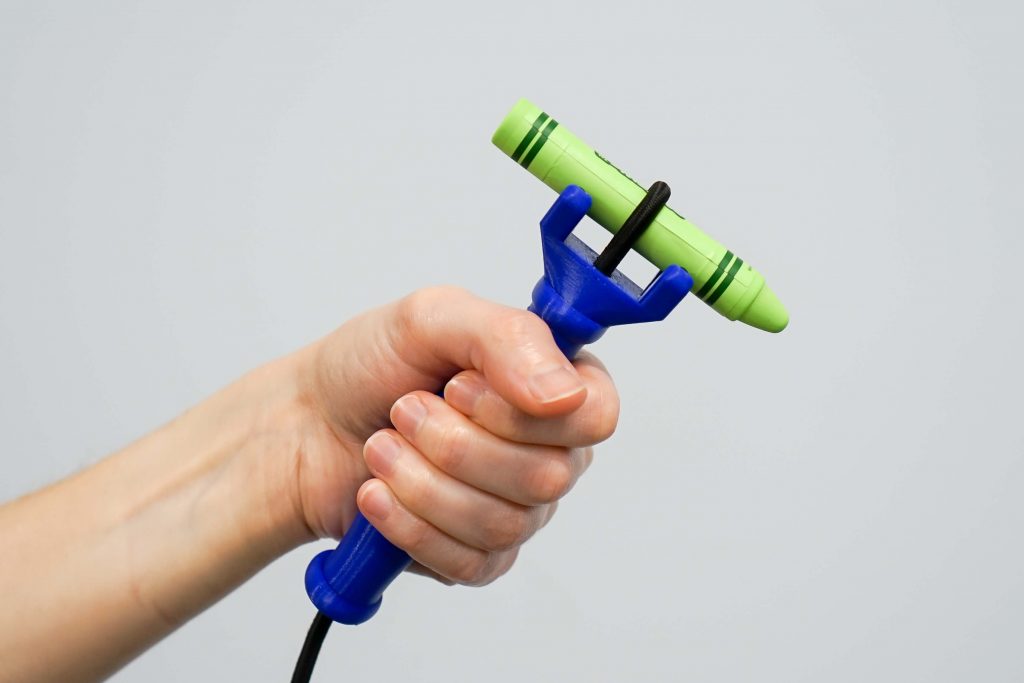
“Just want to say thank you so much for making these! As someone who’s lost a lot of movement in my hands and can no longer write, it’s allowed me to not only write for the first time in ages but also draw! Along with using a knife to spread jam! Thank you so much”
About the Authors, Owners, and Inventors of the functionalhand®
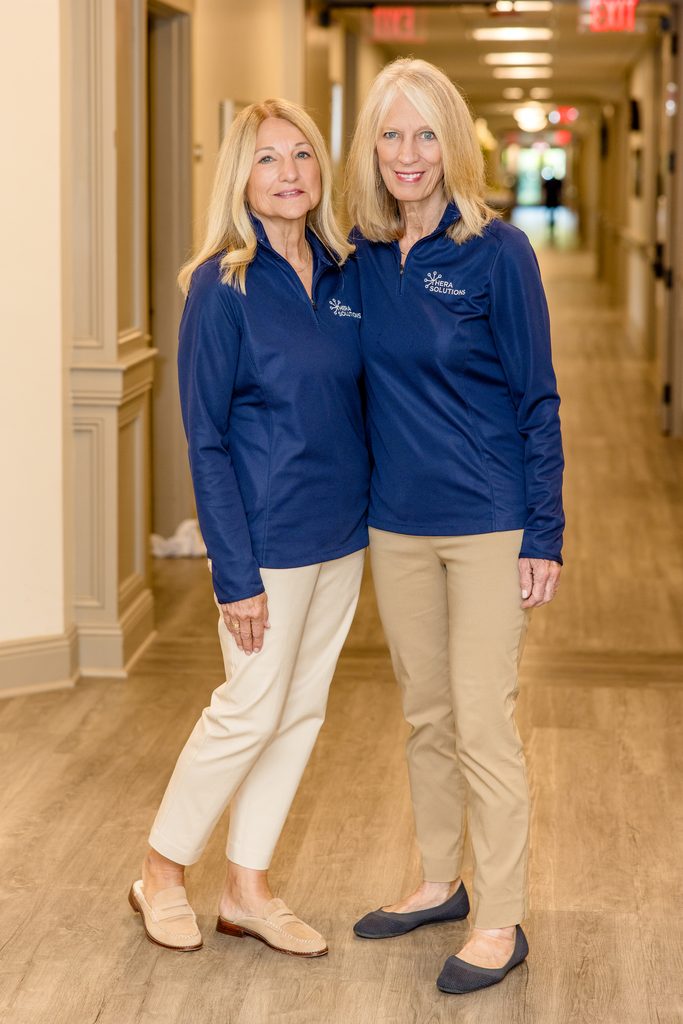
Celine Rosati Skertich, PT, and Linda Merry, OT, each have over 40 years of experience empowering individuals with motor impairments improve postural control and functional independence. Linda specializes in creating custom tools for grasp deficits, inspiring their collaboration on the functionalhand®, an adaptive tool designed to support diverse grasp needs. Follow them for therapeutic tips on YouTube, Instagram, and Facebook.
Recommended read:
- Best ADL Grip Tools for Seniors with Hand and Wrist Weakness from Parkinson’s, Essential Tremors, and Hand Arthritis
- How the functionalhand® ADL Universal Cuff Transforms Lives for People with a Weak Grip
- Accessible Wellness Guide with Tips, and Education on the Importance of Supporting Healthy Independence and Daily Routines with the functionalhand®