Halloween Activities for Kids: Inclusive Crafts and Play for All Abilities
By Linda Merry, OTR
Halloween activities for kids are the crafts, games and seasonal traditions children can help choose, make and enjoy. This guide shows families, teachers and therapists how to adapt those activities so children with different movement and grasp abilities can take an active role. The useful question is not whether a child can finish every step alone. It is which part matters to that child, and what setup makes that part possible.
What makes Halloween activities for kids inclusive?
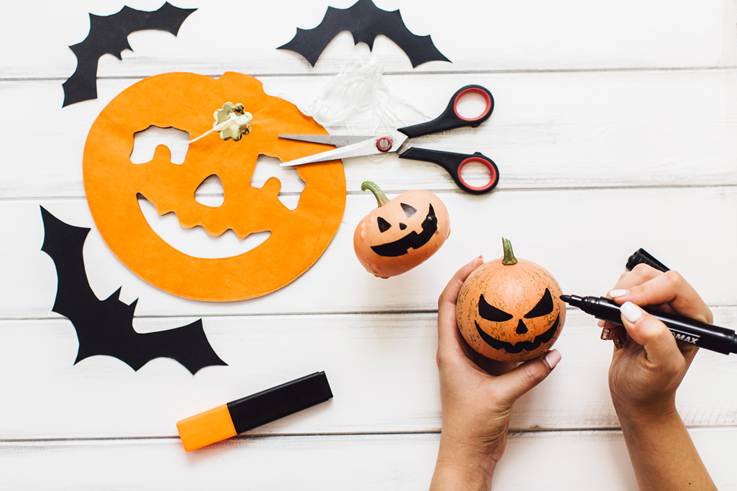
Participation means more than being in the room while someone else completes the craft. A child might pick the pumpkin face, move a brush across the paper, choose a costume detail, give out a treat, or select a spooky sound on a tablet. Each is a real part of the activity. The role can look different for each child and still belong to the child.
CanChild describes participation as involvement in life situations and notes that a child’s preferences and environment influence leisure participation. The American Occupational Therapy Association likewise centers participation in meaningful daily activities. For Halloween, that means starting with the child’s interests, then adjusting the task, tools and surroundings to support those interests.
A child who likes pumpkins may enjoy painting. Another may prefer costumes, decorating a doorway, choosing music, playing a matching game, or handing out nonfood treats. If a sensory experience feels unpleasant, offer a different texture or an option to watch and choose. Interest gives the activity its purpose; access gives the child a way in.
How does active participation support learning?
When children choose a goal and try an action themselves, they get information from the result. They can see where a brush landed, adjust the next stroke and try again. In an experimental study with infants, active reaching experiences led to different patterns of exploration and perception than passive experiences. The infants and tasks in that study differ from older children making Halloween crafts, but the finding supports making room for a child’s own action.
Research with children with unilateral cerebral palsy offers a more direct example of motor learning and the brain. Araneda and colleagues studied 25 children who completed intensive, goal-directed hand and arm therapy. They measured changes in brain activation during object manipulation and found an association with changes in everyday activity. A separate review of eight randomized trials involving 384 children with cerebral palsy found that interventions designed to address participation improved participation outcomes. These findings support giving children meaningful opportunities to act and make choices. They do not establish that a single craft session changes brain activity or that using any particular tool produces a learning gain.
Inclusion adds a social opportunity. A review of peer-supported programs for students with intellectual and developmental disabilities found improvements mainly in peer engagement and starting social interactions. A shared Halloween craft can offer room to practice those interactions when every child has a role. That review measured social outcomes, not brain changes or academic gains from crafts.
How can you adapt a Halloween craft without taking over?
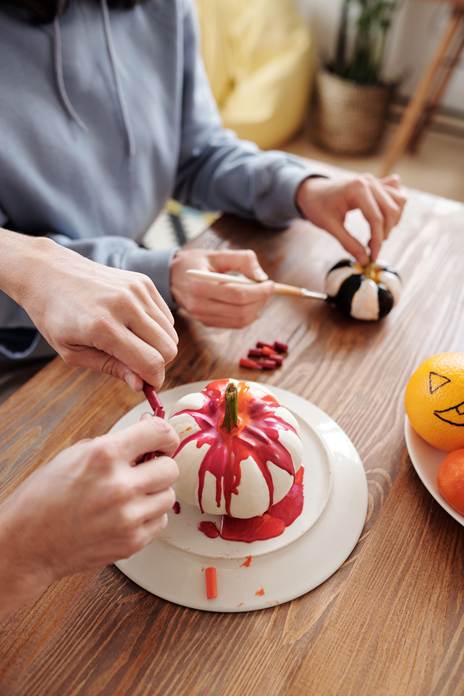
Look at four practical features before you start: the child’s position, the object they need to use, the way materials are arranged and the kind of help you give. A stable chair and supported forearm can make it easier to direct a marker or brush. Secure the paper or pumpkin so it does not slide away. Put two or three materials within the child’s view and reach, or offer a verbal or visual choice if reaching is difficult.
The table gives starting points for inclusive Halloween activities. Try one change at a time and watch what the child can initiate.
| Activity barrier | Setup change | Child’s active role |
| Paper or pumpkin moves | Tape paper; steady a small pumpkin; use dycem | Draw, paint or place a mark |
| Tool is hard to grasp | Use an appropriate tool holder. Examples include tripod pencil grips, EaZyhold, functionalhand, | Guide brush or marker; support at forearm; slide forearm along the surface |
| Steps feel too complex | Offer two choices; prepare materials; create a visual schedule of steps; integrate a get ready, do, done board helping to breakdown the steps and support organizational skills. | Choose color, face or sequence; talk through securing materials, outlining the steps and showing what it may look like when done. |
| Sensory aspects, crowd or texture is overwhelming | Create in a quieter space; limit visual background; use a tool to touch textures such as paint or glue i.e., brush or q-tip for glue, tool in the functionalhand | Decorate, direct or approve |
Pro Tip: Place a small piece of painter’s tape where the child wants the first mark. Remove it after the child begins, or leave it as a visual target if that helps.
Offer just enough assistance for the child to start or continue. An adult can position a brush, steady a pumpkin, or demonstrate one stroke, then pause. Ask “Where should the next line go?” before guiding a hand. A choice made through speech, gesture, eye gaze or AAC is also an active contribution.
What is an easy adapted Halloween craft to try?
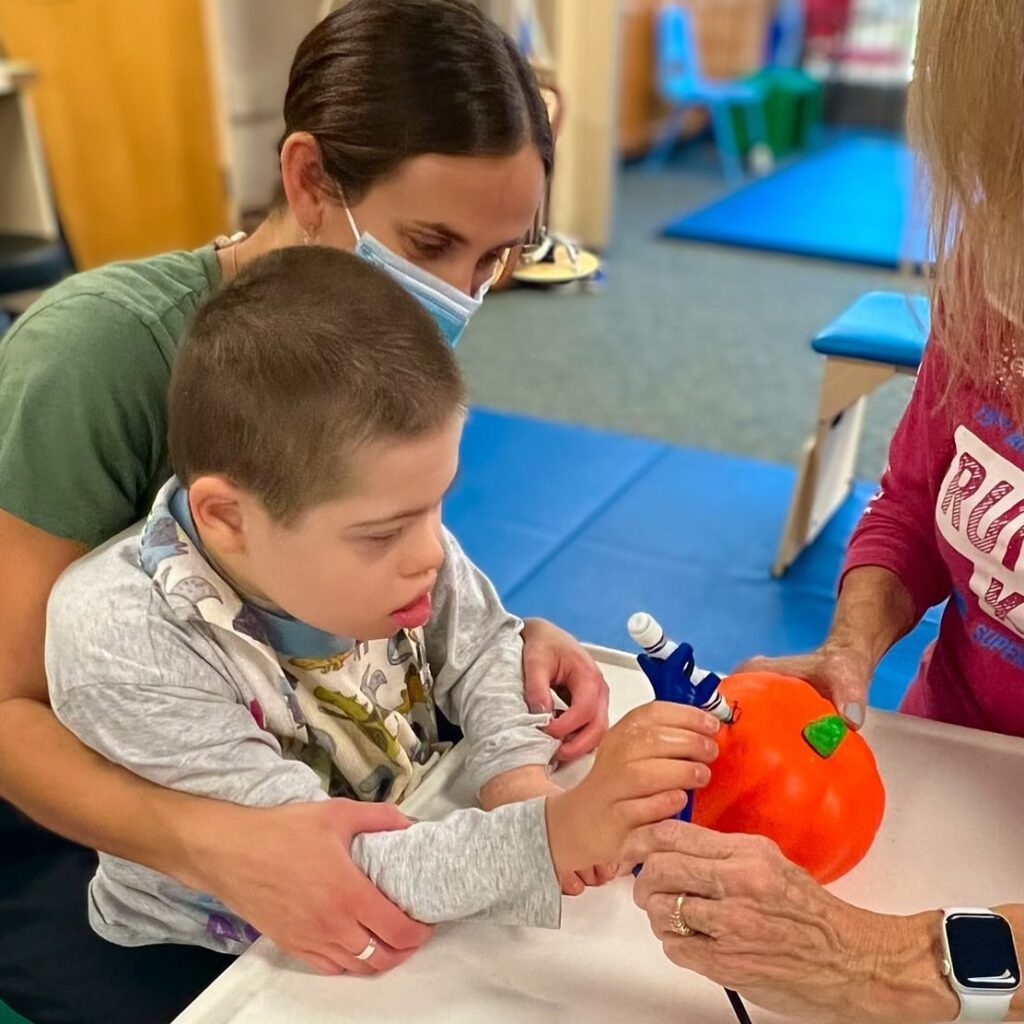
Make a no-carve pumpkin portrait
This craft works on paper, a flat cardboard pumpkin or a small uncarved pumpkin. Use washable, age-appropriate paint or markers, painter’s tape, a brush or marker, and optional large paper shapes. An adult handles cutting and any materials that require close supervision. The child can create a face, a pattern or a colorful pumpkin without needing a precise outline.
- Position the child sitting as upright as possible with back support. Feet on a stable surface provides stability. The chair should be close enough to the table and surface large enough that the elbows don’t fall between the chair and table when trying to use their hands.
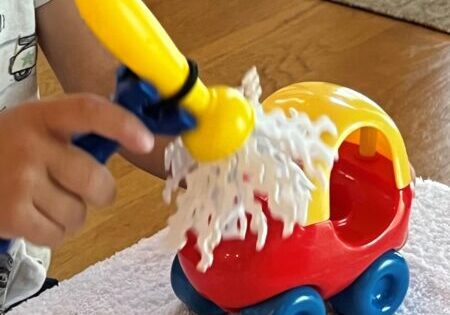
- You can start but using a hand mitt, washcloth or paint brush to wash the pumpkingInvite the child to choose a pumpkin color, face or pattern. Show two examples or let them invent one.
- Set up a stable work surface. Tape down the paper, or steady the uncarved pumpkin. Dycem is another material that keeps materials from moving. Position the child comfortably with the forearms supported. This will reduce the effort required to use their hands.
- Offer a brush or marker that fits the child’s way of moving. Help place the tool, then allow time for the child to direct it. If using a real pumpkin, washing the pumpkin before decorating is a fun way to work on range of motion, motor plan the movements and practice holding tools as the hand moves around the entire surface.
- Let the child add marks in any order. If small details are difficult, offer broad strokes, large shapes or a partner who places pieces where the child indicates. Progression: free-form mark making/strokes → coloring within an area → tracing → imitating/copying → creating an original design.
- Display the finished work and ask the child to choose its name or where it should go.
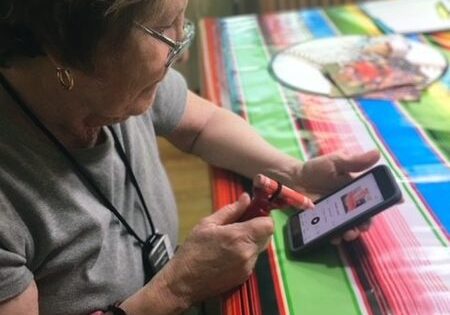
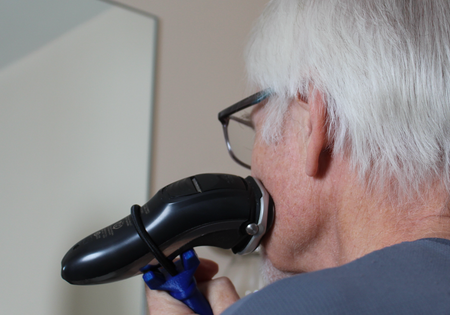
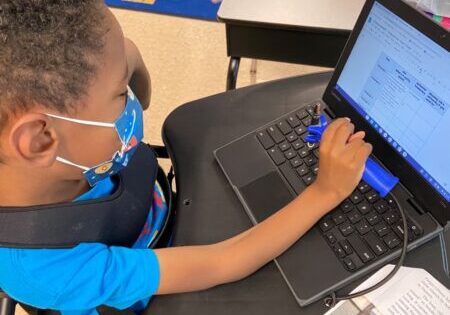
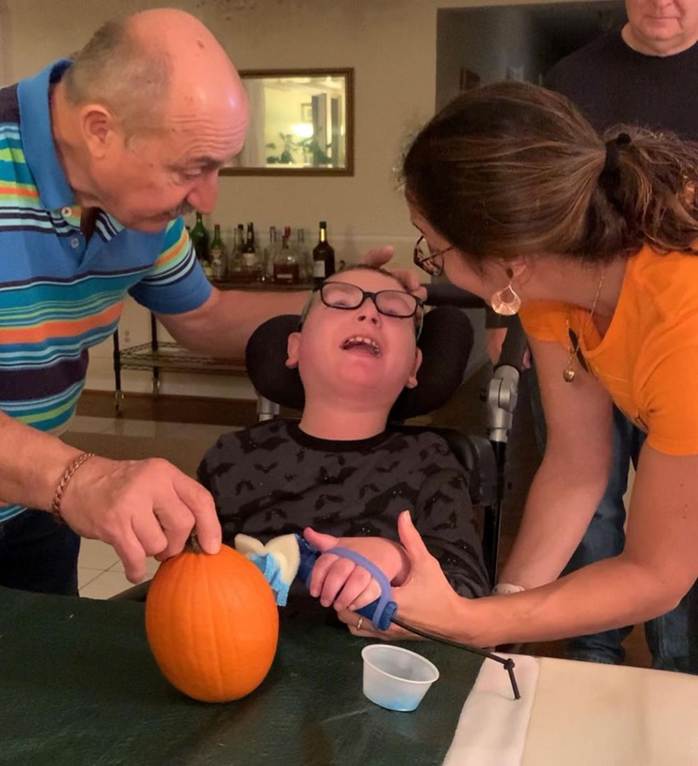
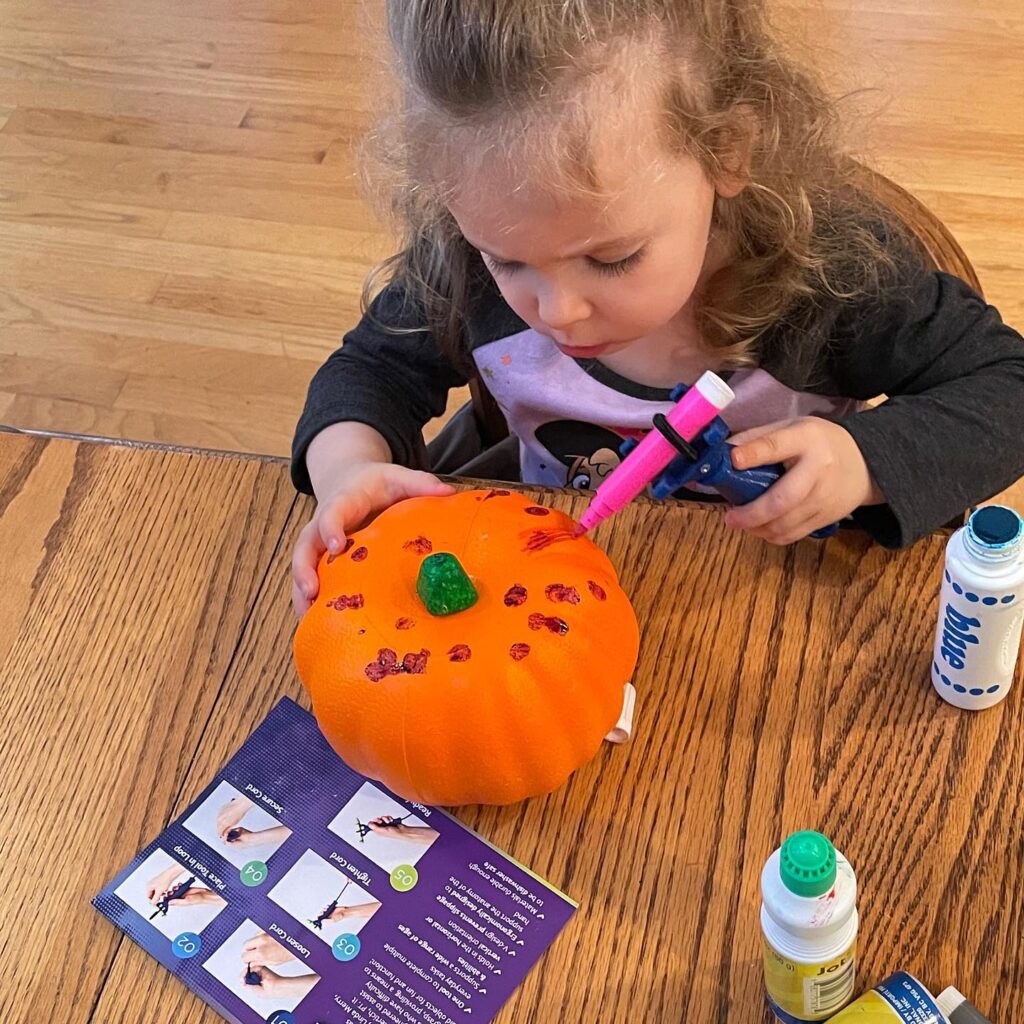
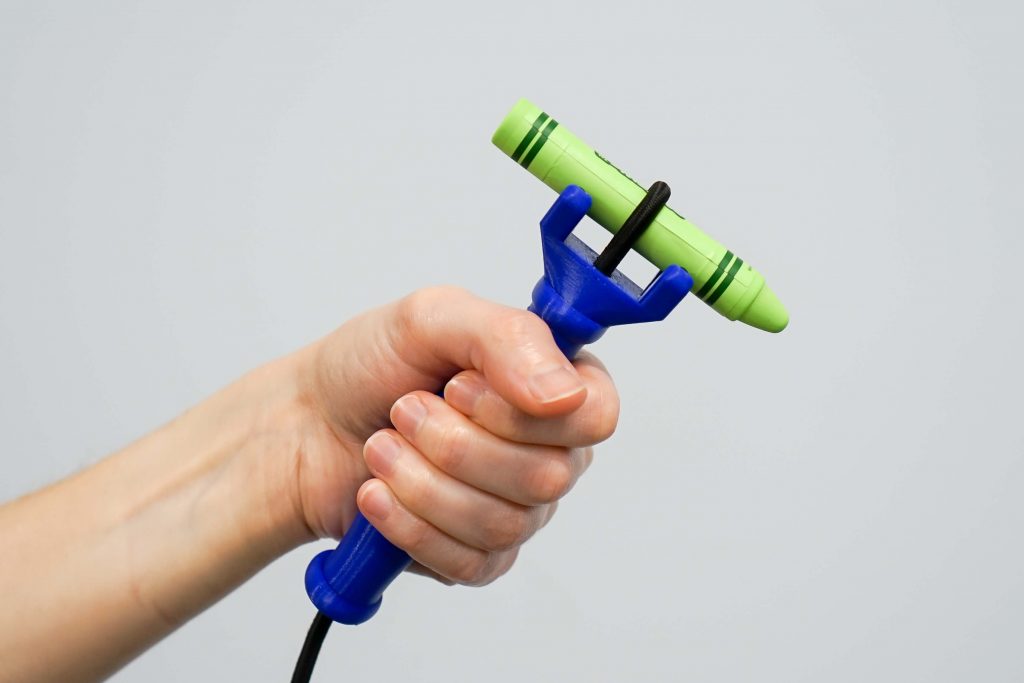
A repositionable universal cuff such as the functionalhand® can hold a paintbrush, marker. Q-tip, sponge, etc. when maintaining a grasp takes attention away from the activity. An adult can secure the tool and step back so the child directs the movement. This can help the child paint alongside classmates or siblings using the same pumpkin theme, with their own marks becoming part of the shared display. A partner might steady the pumpkin or offer color choices while the child guides the brush. Some children may instead use a stylus to design a digital pumpkin face with the group, then select colors or print the design. The device supports tool access; it does not create the child’s movement or replace a comfortable, individualized setup.
Pro Tip: Try a vertical paper surface when the child enjoys reaching upward, or keep the project flat when a supported forearm gives better control. Let the child’s comfort and success guide the choice. Give stability to the elbow or have the elbow supported on the table surface to help with hand movements.
What other inclusive Halloween activities can children choose?
Crafts are only one route to participation. A child could select decorations for the front door, use a switch or tablet to play a Halloween sound, direct someone arranging a costume, sort large paper bats by color, or help prepare a treat station. When a stylus is an accessible way to choose on a tablet, the functionalhand can help hold it while the child selects the group’s next sound or decoration. For trick-or-treating, the child might greet visitors from home or choose a shorter, familiar route. The activity can be changed without losing the celebration.
The American Academy of Pediatrics suggests no-carve pumpkin decorating and reminds families that younger children may need a shorter outing or a different way to join in. For children who avoid certain foods or textures, a nonfood treat or a digital decorating activity can keep choice in the celebration. Keep small craft pieces and treats appropriate to the child’s age and supervision needs.
“A Halloween activity becomes inclusive when the child has a meaningful way to choose, create or direct what happens.”
Plan for the child’s role before the project begins, then adjust as you go. An imperfect pumpkin made through the child’s own choices and movement can carry more meaning than a polished one completed for them.
Frequently asked questions about inclusive Halloween activities
What Halloween activities work for a child who cannot hold a marker?
Offer a way to choose and direct the design first. A tool holder may let the child move a marker or brush; a stylus, larger stamp, or partner who follows the child’s directions can also make the child’s role active.
How do you adapt Halloween crafts for a child with limited mobility?
Bring the materials into a comfortable working space, secure the project and offer choices within view or reach. Support the arm or work surface as needed, and allow enough time for the child to initiate each step.
Can an inclusive Halloween activity be digital?
Yes. A child can select colors, draw a pumpkin, choose a costume image or trigger seasonal sounds on a tablet. Check that the screen and input tool are positioned where the child can access them comfortably.
What if a child does not want to dress up or touch a pumpkin?
Follow the child’s preferences. Decorating a card, choosing music, directing an adult or greeting visitors are valid ways to join the celebration; there is no required texture or costume.
Order Your functionalhand® Today
If you’re interested in purchasing a universal cuff for yourself or someone you care about, we hope you’ll consider investing in the functionalhand® universal cuff.
You won’t just be purchasing a product; you’ll be investing in a person’s ability to lead a more independent and fulfilling life.
“Just want to say thank you so much for making these! As someone who’s lost a lot of movement in my hands and can no longer write, it’s allowed me to not only write for the first time in ages but also draw! Along with using a knife to spread jam! Thank you so much”
About the Authors, Owners, and Inventors of the functionalhand®
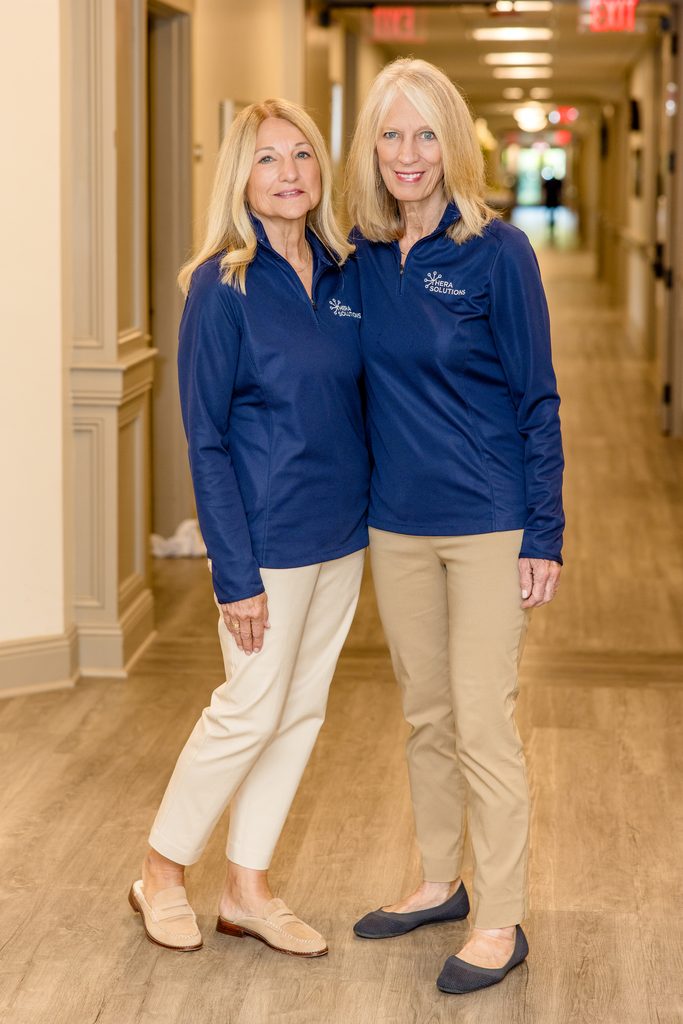
Celine Rosati Skertich, PT, and Linda Merry, OT, each have over 40 years of experience empowering individuals with motor impairments improve postural control and functional independence. Linda specializes in creating custom tools for grasp deficits, inspiring their collaboration on the functionalhand®, an adaptive tool designed to support diverse grasp needs. Follow them for therapeutic tips on YouTube, Instagram, and Facebook.
Recommended Read:
Top 5 adaptive craft activities for kids with disabilities
Using a tray as a base of support for the functional hand
Back-to-school AAC checklist: Supporting access with a stylus