Top 5 Adaptive Craft Activities for Kids with Disabilities
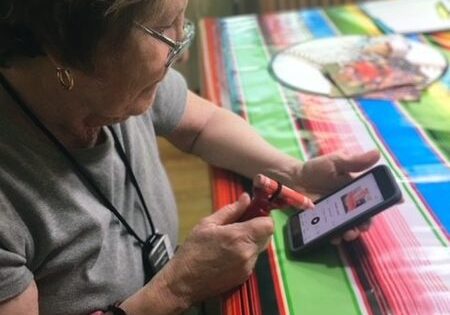
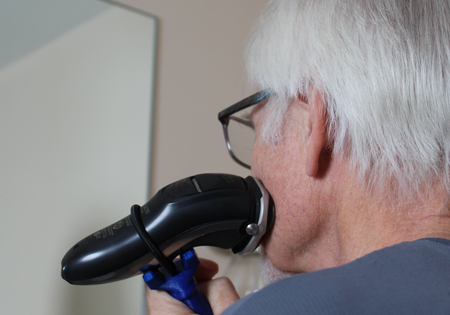
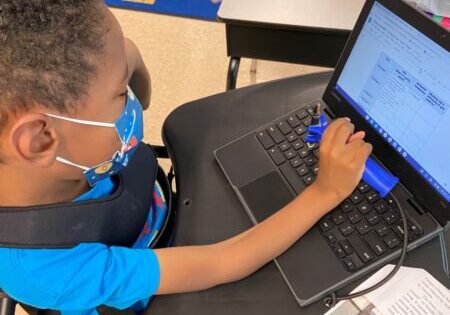
Adaptive craft activities for kids with disabilities are art and sensory projects modified so that grip, hand positioning, or limited mobility never decide whether a child gets to create. Below are five tested craft activities — painting, sponge art, recycled-tube art, glue art, and fork art — broken down by the skill each one targets and the simple grip modification that makes it accessible. The insight most parents and educators miss: the barrier is rarely the craft itself. It’s the tool. Change how a child holds the brush, sponge, or glue stick with an adaptive device like the functionalhand® universal cuff, and the same project that caused frustration becomes one they can finish independently.
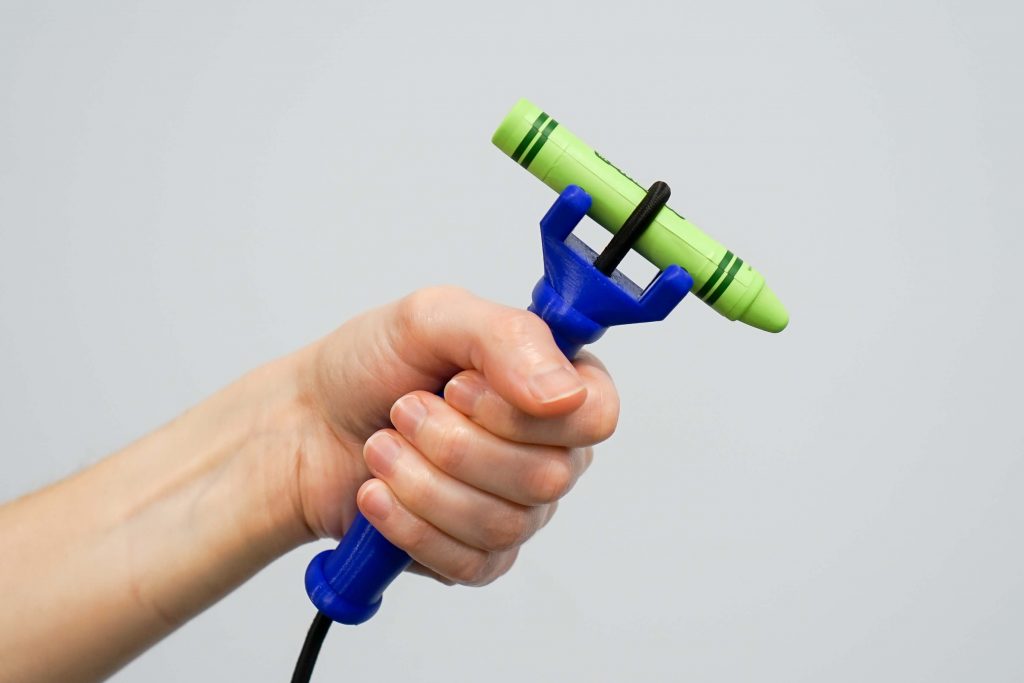
Occupational and physical therapists Celine Skertich, PT, and Linda Merry, OT, designed the functionalhand® around this exact problem: most adaptive aids hold an object in one fixed position, forcing a child to twist their wrist or shoulder to compensate. The functionalhand® instead lets the object — and the child’s hand — stay in proper alignment, no matter which craft tool is inserted.
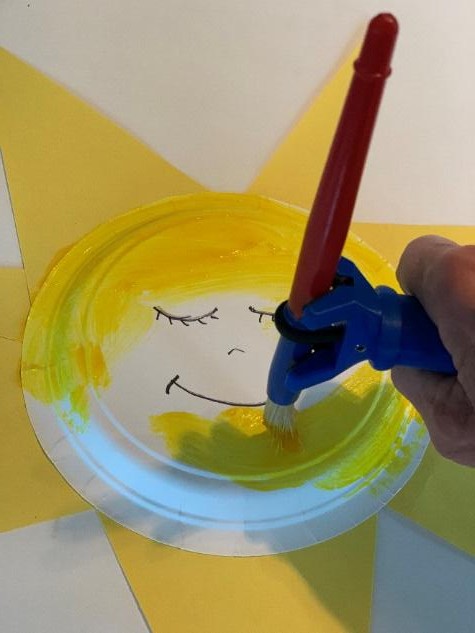
How Can Painting Build Fine Motor Skills for Kids with a Weak Grip?
Any size paintbrush fits into the functionalhand®. Whether it’s a skinny detail brush or a wide foam brush, it slides into the cord, and the cord cinches tight to hold it securely in position — no sustained fist grip required.
This matters because painting normally demands a child hold a single object firmly within a tripod or pincer grasp (the precise finger and thumb position used to hold thin tools) for several minutes at a time. For a child with grasp deficits (difficulty initiating or sustaining a grip), that demand alone can end the activity before the creative part even starts. With the brush secured in the cuff, the child can focus on color, stroke, and pressure instead of fighting to keep the brush from slipping.
What Makes Sponge Art an Accessible Sensory Craft?
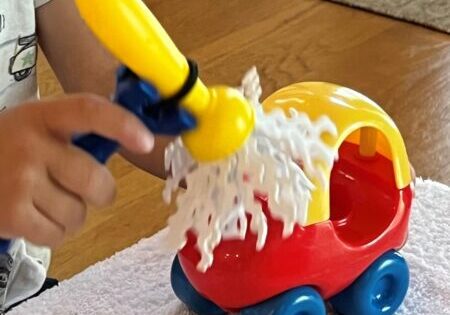
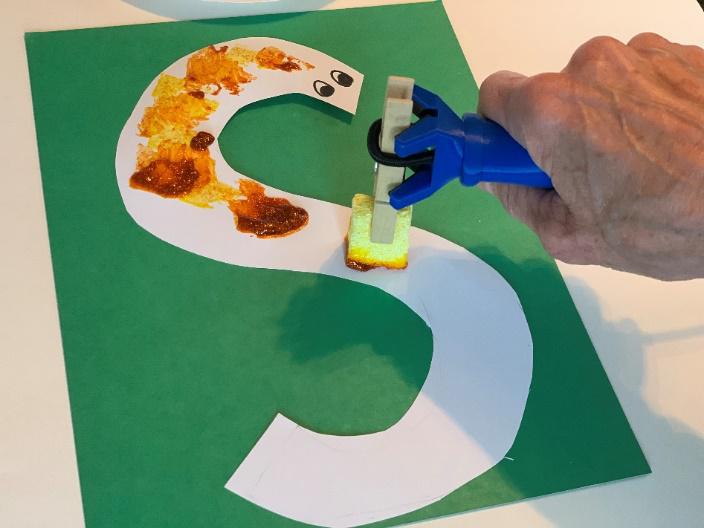
Cut a sponge into any shape, insert it into the functionalhand®, and start stamping or dabbing paint. The wider surface area of a sponge piece makes it easier to grip than a thin brush handle, and the cuff removes the need to pinch the sponge between two fingers.
Sponge art also adds a tactile, sensory-friendly layer to craft time. Kids who benefit from varied textures during play often engage longer with sponge stamping than with a flat brush stroke, and the activity still targets the same in-hand manipulation skills (repositioning an object within the hand without dropping it) that painting does.
Pro Tip: Cut sponge shapes at least ½ inch thick before inserting them into the cord. The functionalhand® securely holds objects from 1/8 inch up to 2½ inches in diameter, but thinner sponge pieces can compress and slip mid-stroke.
How Do You Turn a Toilet Paper Roll into an Adaptive Craft Project?
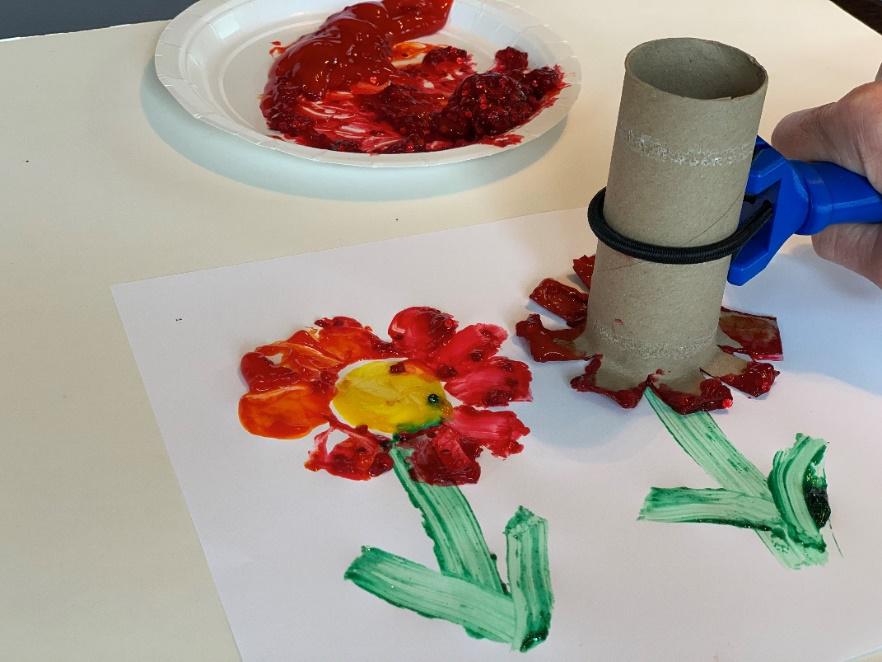
Household items double as craft supplies once they fit into the functionalhand®. A toilet paper roll or paper towel tube slides into the cord just like a brush or marker, ready to be painted, decorated, or turned into a telescope to look through.
This kind of open-ended, recycled-material craft is valuable for two reasons: it costs nothing extra, and it builds bilateral coordination (using both hands together for different jobs) as the child steadies the tube with one hand while decorating with the other.
Object orientation matters as much as grip strength. When a child can hold a tool in proper alignment, energy goes into creating — not compensating.
Can Glue Crafts Work for Kids with Limited Hand Mobility?
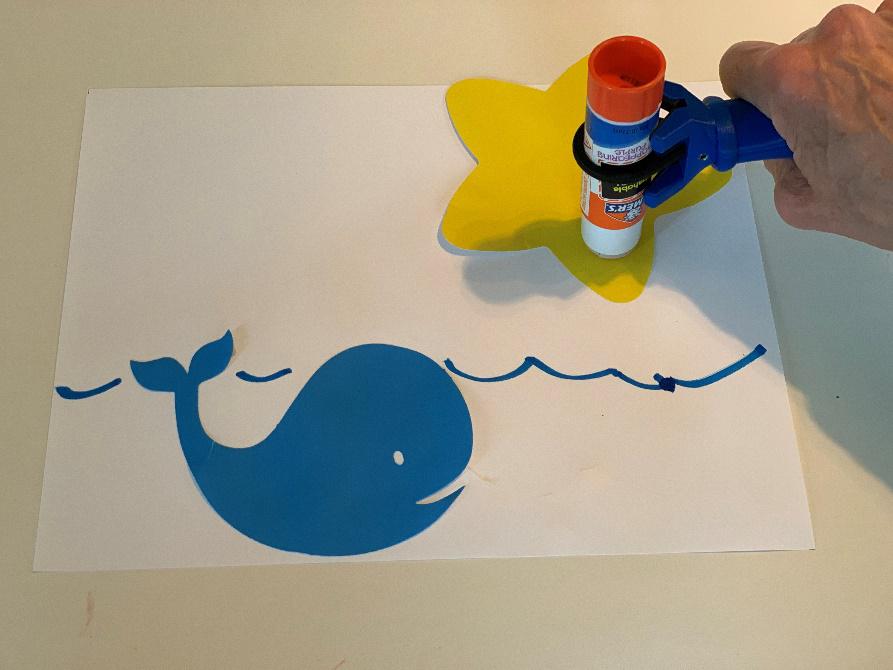
Yes. A glue stick or a paintbrush dipped in glue both insert into the functionalhand® the same way a paintbrush does, letting a child apply glue exactly where they want it without needing the hand strength to squeeze a bottle or pinch a stick.
This is often the step in a craft project that gets skipped or handed over to an adult — not because the child can’t decide where the glue goes, but because they can’t physically hold the applicator long enough to finish. Securing the glue stick in the cuff lets a child complete every step of a project independently, from start to finish.
How Does Fork Art Reduce Grasp Demands While Building Creativity?
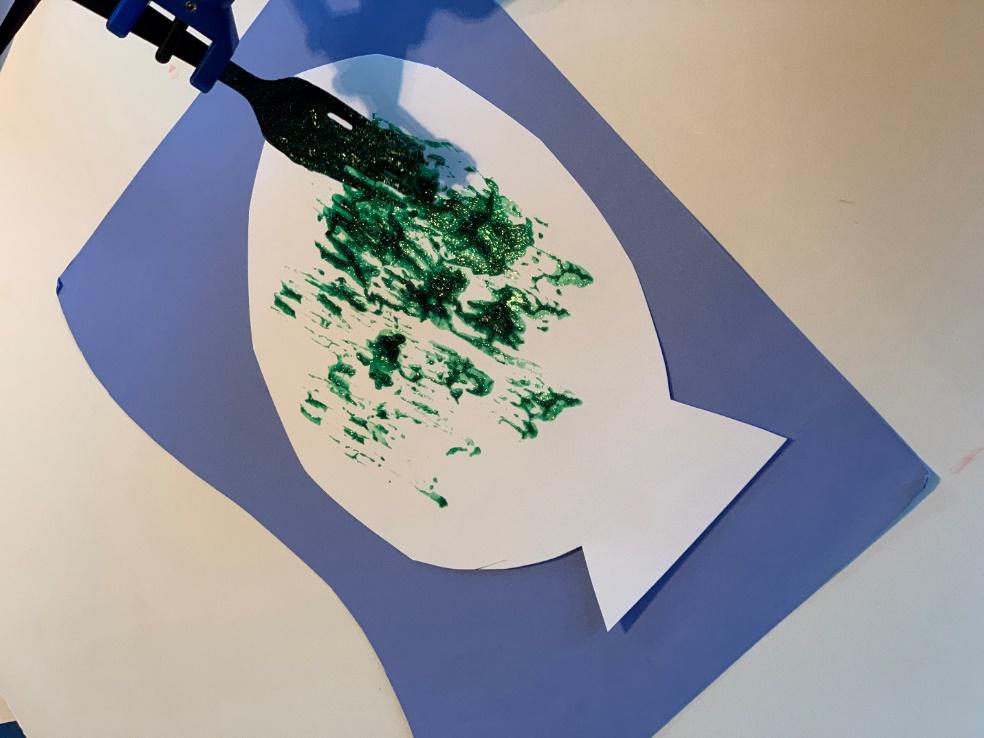
A plastic fork, a stamp, or nearly any small tool with a handle under 2½ inches in diameter can go into the functionalhand® cord to create textured prints and patterns. Reducing the grasp demand of the tool itself frees up a child’s attention for the creative decisions — color choice, pattern, composition — instead of the mechanics of holding on.
Therapists who work with kids who have fine motor deficits (difficulty with the small muscle movements needed for precise hand tasks) often see this same shift across activities: once grip is no longer the limiting factor, kids who previously needed hand-over-hand help in art class are able to participate on their own.
Pro Tip: Let your child choose which tool goes into the cuff each session — a fork one day, a paintbrush the next. Rotating object width and shape builds grasp adaptability instead of practicing just one pattern.
Order Your functionalhand® Today
If you’re interested in purchasing a universal cuff for yourself or someone you care about, we hope you’ll consider investing in the functionalhand® universal cuff.
You won’t just be purchasing a product; you’ll be investing in a person’s ability to lead a more independent and fulfilling life.
“Just want to say thank you so much for making these! As someone who’s lost a lot of movement in my hands and can no longer write, it’s allowed me to not only write for the first time in ages but also draw! Along with using a knife to spread jam! Thank you so much”
Recommended reads:
- Accessible Wellness Guide with Tips, and Education on the Importance of Supporting Healthy Independence and Daily Routines with the functionalhand®
- Adaptive Summer Activities: Making Recreation Accessible for All Abilities with the functionalhand®
- Best Adaptive Equipment & Teaching Tools for Students with Disabilities
- Adaptive Equipment for Students with Disabilities: A Guide by Diagnosis and Daily Need