Managing Back to School Anxiety: A Checklist for Parents
Managing back to school anxiety often starts well before the first day, in the quiet weeks of prep that shape how ready a child feels to walk through the door. That prep touches more than school supplies and shoe sizes: it means helping a child feel emotionally ready for new routines, new faces, and a full day away from home. For some children, the transition also touches physical readiness, from holding a pencil with confidence to zipping a backpack without help. Approaching both the emotional and physical sides of the transition together gives kids a steadier, more confident start to the year.

What Causes Back to School Anxiety in Kids?
Anticipation itself is often more stressful for a child than the first day of school actually turns out to be. Back to school anxiety tends to build in the days leading up to the start date, since change of any kind interrupts the comfort of a familiar routine.
Kids who struggled the previous year, whether socially, academically, or physically, often carry more worry into a new one than excitement, according to the Child Mind Institute. Younger children are more likely to show separation anxiety, while older kids and teens tend to worry about social standing, a new teacher, or academic pressure. Recognizing which type of worry your child is carrying makes it easier to address directly instead of guessing.
How Do Social Stories Help Kids Feel Prepared for School?

One well-researched technique for easing the transition is the social story, a short narrative developed by pediatrician Dr. Carol Gray that walks a child through exactly what to expect. Showing your child a picture of their new teacher or the school building before the first day, then talking through a simple story of what a normal day will look like, from walking in the door to finding a seat at lunch, gives an anxious child a mental rehearsal instead of an unknown. Social stories were originally developed for kids with autism, but the ADDitude Magazine notes they help any child who feels more secure when they know what is coming next, including kids with ADHD or general back-to-school nerves.
A social story does not need to be elaborate. Two or three sentences built around a real photo, such as “This is my classroom. On the first day, I will hang up my backpack and find my name on my desk,” gives a child something concrete to hold onto. A picture of their teacher turns a stranger into a familiar face. Reading or telling it together a few times in the week before school starts works better than a single read-through the night before.
Why Does a Practice Playdate Help Too?
A low-key play day with one or two future classmates can also lower the stakes on day one. Meeting a familiar face ahead of time gives a child someone to look for at drop-off, turning a room full of strangers into a room with at least one friend. A short, structured activity, such as a scavenger hunt or a simple art project, tends to work better than open-ended free play for encouraging an anxious child to join in.
What Fine Motor Skills Help Kids Feel Confident in the Classroom?
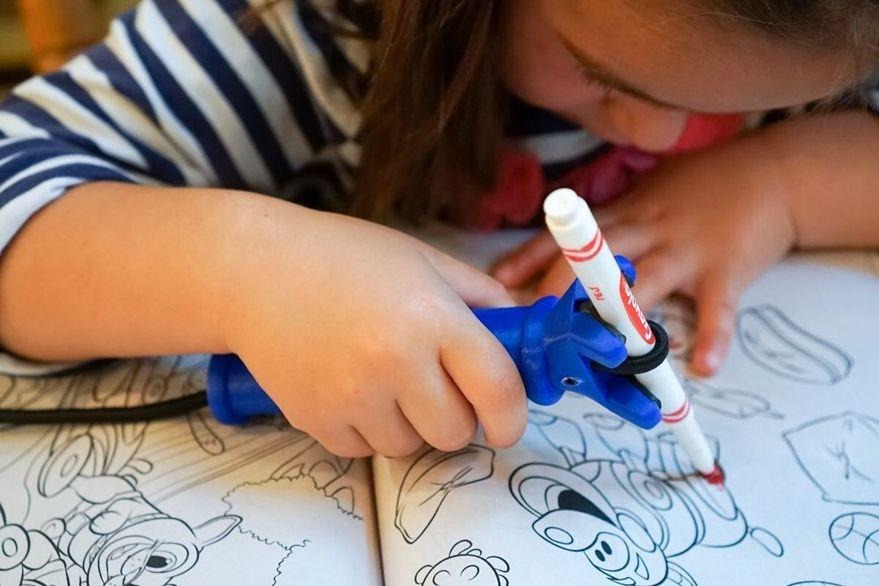
Handwriting, cutting with scissors, opening a lunch container, and managing a backpack zipper all depend on fine motor coordination built through repetition. When a child’s motor skills lag behind classroom demands, tasks that peers complete without a second thought, like tracing letters or squeezing a glue bottle, can become another source of first-week stress.
Fine motor performance in the classroom rests on a foundation of trunk and arm stability, hand strength, and coordination built well before a child ever picks up a pencil, according to the OT Toolbox. Practicing these foundational skills at home for even a few minutes a day, well before the first day, can ease that pressure once school starts.
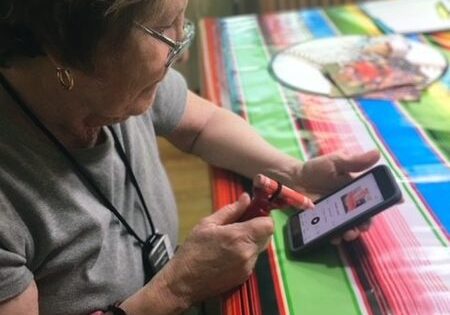
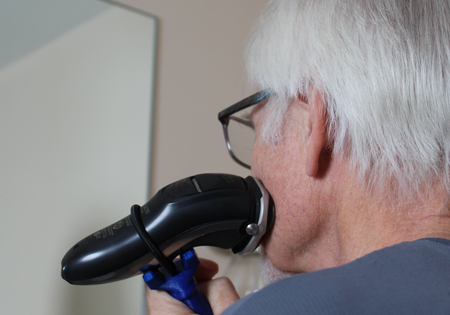
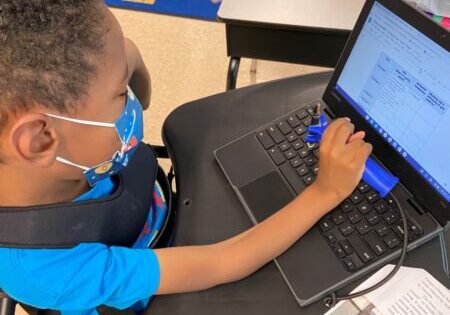
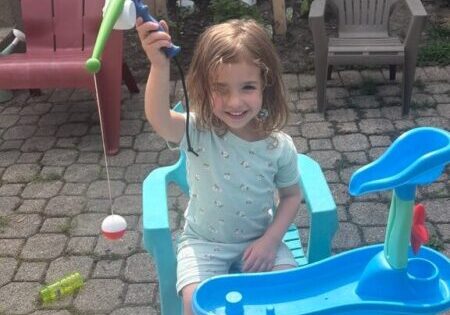
For kids who need extra support while practicing pencil grip, marker control, or scissor skills at home, an adaptive aid such as the functionalhand® universal cuff can hold the tool securely so a child can focus on the motion itself rather than the grip. Occupational therapists can point families toward tools and daily practice ideas, similar to the assistive technology options families use to support writing readiness, and can help identify whether a child’s specific struggle is a passing adjustment or worth a closer look.
Pro Tip: If your child struggles with one specific fine motor task, such as a zipper or shoelaces, practice that single task in short daily sessions rather than one long session the week before school starts. Visuals can help support motor learning for fine motor activities.
How Can Parents Introduce Their Child to a New Teacher?
A short paragraph written ahead of time helps a teacher get to know a child faster than the first few weeks of observation alone would allow. Include a few sentences on your child’s personality, what tends to motivate or calm them, and anything the teacher should know on day one, whether that is a food allergy, a sensory sensitivity, or an adaptive aid used for writing or classroom tasks.
A simple starting point: “My child is [personality trait] and loves [interest]. They do best when [strategy, such as a visual schedule or a quiet warning before transitions]. They use a [specific accommodation, such as a pencil grip or an adaptive aid like the functionalhand® universal cuff] for writing and art, and appreciate [any preference, such as extra time or a seat near the front].” Sharing this before the first day, rather than waiting for a parent-teacher conference, gives the teacher a head start and can prevent early misunderstandings. If your child has an IEP or 504 plan, this paragraph works well alongside it, since it adds the personal detail a formal plan does not always capture.
How Can Parents Prepare Their Child to Participate in an All-Inclusive Classroom?

Transitioning into a new school year often brings a mix of excitement and back-to-school anxiety. If your child is entering an all-inclusive classroom, a dynamic space designed to support diverse learning styles, strengths, and abilities, proactive preparation can make all the difference. Easing these first-day jitters starts with equipping your child to navigate and embrace this rich learning environment.
Here is how you can help your child feel confident and ready:
- Preview the Environment: The unknown is a primary driver of anxiety. If possible, arrange a brief, quiet tour of the classroom before the year begins. Seeing where they will sit and understanding the layout helps demystify the new space.
- Practice Inclusive Social Skills: All-inclusive classrooms thrive on neurodiversity and varied abilities. Use role-play at home to practice introducing themselves, taking turns, and embracing differences. Teaching empathy early helps them build meaningful peer connections.
- Encourage Self-Advocacy: Teach your child how to express their feelings and needs clearly. Knowing how to politely ask the teacher for help, request a quick brain break, or communicate when they feel overwhelmed is a powerful tool for managing in-the-moment classroom anxiety.
- Connect with the Teacher: Build a bridge between home and school early on. Share your child’s unique learning style, strengths, and any specific triggers for their anxiety so the teacher can seamlessly support them from day one.
- Calm Drill: Just like we practice a fire drill before an emergency, a child can practice a “calm drill” before feeling anxious. First, the child notices signs of anxiety, such as a fast heartbeat, tight muscles, or worried thoughts. Next, the child takes slow breaths and moves to a quiet, safe space when possible. The child can then use a calming strategy, such as squeezing a stress ball, hugging themself, stretching, or counting slowly. Practicing these steps regularly helps the child remember what to do and ask a trusted adult for help when needed.
An all-inclusive classroom is more than just a shared physical space; it is a collaborative community built on mutual respect and belonging. By taking these foundational steps, you empower your child to turn their back-to-school anxiety into confident anticipation.
What Should Be on a Practical Back-to-School Checklist?
Pairing emotional prep with physical prep on the same timeline is one of the most practical ways to keep back to school anxiety from building up in the final rushed days. The checklist below breaks both down by how far out you are from the first day.
| Timeframe | Emotional & Routine Prep | Fine Motor & Physical Prep |
| 2 to 3 weeks before | Shift bedtime and wake time by 15 minute increments each day. Draft a short paragraph introducing your child to their teacher. Introduce the concept of calm drills into daily activities that are stressful. | Practice pencil grip, scissor use, and buttoning or zipping for a few minutes daily. |
| 1 week before | Talk through specific worries using open questions, not leading ones. Visit the school or meet the teacher if possible, and build a simple social story from a photo of the classroom or teacher. Host a low-key play day with a future classmate, and practice using any adaptive tools in front of them if applicable. | Pack and wear the backpack around the house. Practice opening the lunch container independently. |
| 2 to 3 days before | Lay out the first day outfit together and review the morning routine step by step. | Test any adaptive tools, such as a pencil grip aid, with the actual school supplies. |
| Night before | Do a calming wind-down activity and pack the bag together. | Confirm supplies are labeled and easy for your child to open and use independently. |
| Morning of | Keep goodbyes brief, warm, and confident. | Double-check grip aids, pencil cases, or fasteners are packed and ready. |
Frequently Asked Questions
What are common signs of back-to-school anxiety in children?
Clinginess, trouble sleeping, stomachaches, irritability, and repeated questions about the school day are all common. Older kids and teens may show anxiety through withdrawal or irritability rather than the crying or clinginess seen in younger children.
How early should parents start back-to-school prep?
Two to three weeks before the first day gives enough time to reset sleep schedules gradually and to practice any fine motor tasks your child finds challenging, without cramming everything into the final weekend.
What if my child’s anxiety continues after the first few weeks?
Most children settle into a new routine within the first two to four weeks. If anxiety, avoidance, or physical complaints continue beyond that, it is worth talking with your child’s teacher, school counselor, or pediatrician.
How do I know if my child’s struggle with pencils or scissors is a fine motor delay?
Occasional frustration with a new task is typical. Signs worth mentioning to a teacher or occupational therapist include unusual fatigue during writing, consistent avoidance of writing or cutting tasks, and strong frustration compared to peers doing the same activity.
Can adaptive tools help with back-to-school transitions?
Yes. Adaptive tools that support grip and hand positioning, like a universal cuff, can reduce the physical effort of classroom tasks so a child has more energy and confidence left for learning and socializing.
What should I tell my child’s new teacher before the first day?
A short paragraph on your child’s personality, what motivates or calms them, and any special needs or adaptive aids they use gives a teacher a head start. This is especially helpful for anything not captured in a formal IEP or 504 plan, such as a sensory sensitivity or a specific tool your child relies on for writing or fine motor tasks.
How can I help my child feel comfortable participating in an inclusive classroom?
Talk with your child ahead of time about how classmates learn, move, and communicate in different ways, and frame it as normal rather than something unusual. Practicing patience, turn-taking, and any adaptive equipment your own child uses in a low-stakes setting, like a playdate, before the first day helps build the confidence to participate fully once school starts.
About the Authors, Owners, and Inventors of the functionalhand®

Celine Rosati Skertich, PT, and Linda Merry, OT, each have over 40 years of experience empowering individuals with motor impairments improve postural control and functional independence. Linda specializes in creating custom tools for grasp deficits, inspiring their collaboration on the functionalhand®, an adaptive tool designed to support diverse grasp needs. Follow them for therapeutic tips on YouTube, Instagram, and Facebook.