Adaptive Utensils for Easier, More Independent Eating
Making Mealtime More Accessible at the Thanksgiving Table
Adaptive utensils are eating tools that change handle size, weight, angle, or support to make self-feeding easier. This guide helps children and adults with disabilities, families, caregivers, and therapists compare options and create a more comfortable mealtime setup. Start with the part of eating you want to make easier Different tools address different tasks.
Who can benefit from adapted eating tools?
Enjoying breakfast, choosing your own bite, and sharing a meal all offer opportunities for independence. People with different disabilities can share a similar eating goal while needing very different support. A diagnosis alone does not tell you which utensil will support the individual’s needs.
Consider adaptive utensils for adults or children for holding, scooping, lifting, or guiding food if self feeding takes more effort than the person wants. Relevant needs include reduced grip strength, painful joints, limited movement, tremor (rhythmic shaking), difficulty coordinating movements, or using one hand. These needs can occur with cerebral palsy, stroke, arthritis, spinal cord injury, Parkinson’s disease, multiple sclerosis, limb differences, or other conditions.
Clearer visual contrast, a familiar utensil, or a calmer environment all may be helpful. Changes in vision, thinking, or sensory preferences can affect mealtimes alongside movement. An adapted handle addresses one part of the task; it may need to work with other supports.
Occupational therapy helps people participate in meaningful daily activities through changes to tasks, environments, and equipment. The American Occupational Therapy Association’s 2025 position statement addresses feeding, eating, and swallowing services across ages. It supports a broad assessment of the person and the activity, rather than a utensil recommendation based only on diagnosis. AOTA: Feeding, Eating, and Swallowing Approaches
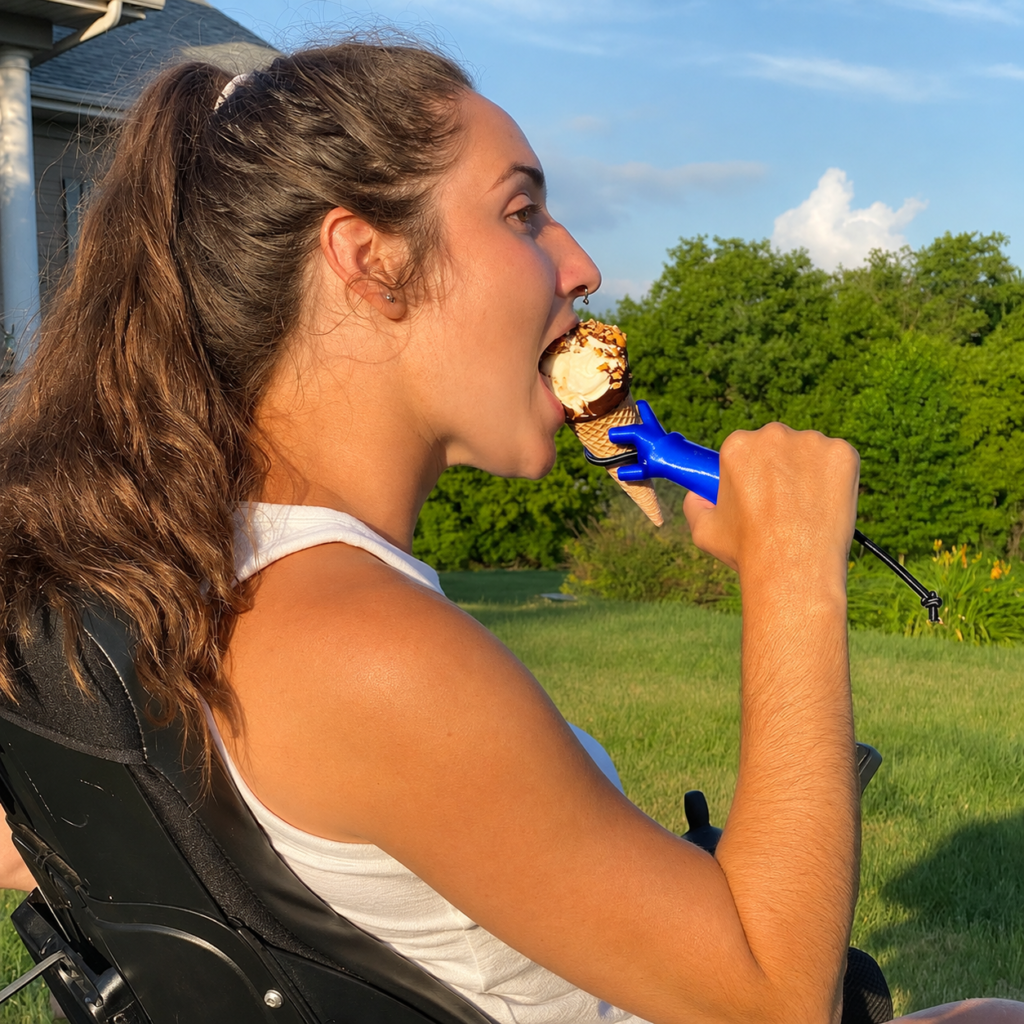
Which adaptive utensils match different eating needs?
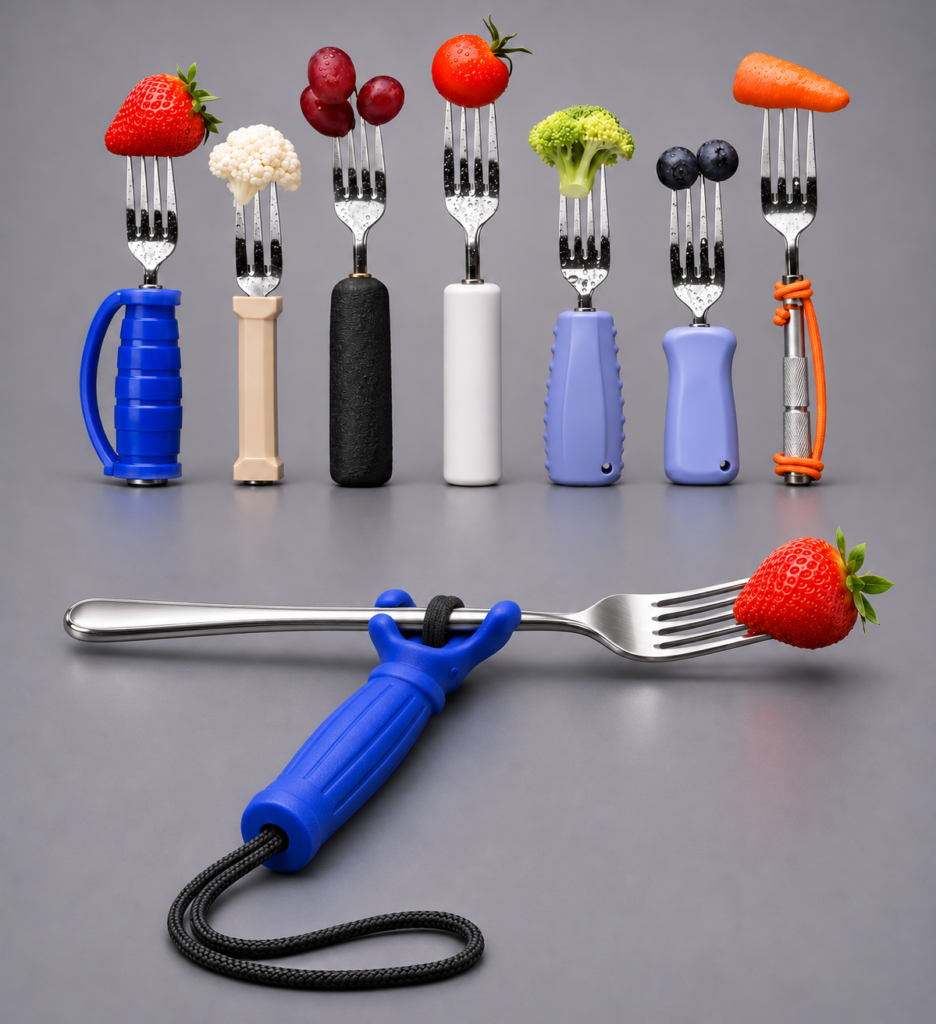
Compare utensil features with the specific movement you want to support. The table below offers starting points for a supervised trial, rather than a prescription based on diagnosis alone.
| Utensil type | Design feature | Trial focus | Practical consideration |
| Built-up handle | Wider gripping surface | Holding a narrow handle | Handle size and comfort |
| Lightweight utensil | Lower lifting load | Effort during repeated lifts | Food control |
| Weighted utensil | Added mass | Individual response to tremor | Fatigue and lifting effort |
| Angled utensil | Bent handle or shaft | Spoon-to-mouth alignment | Right or left orientation |
| Swivel spoon | Moving spoon bowl | Keeping the bowl level | Learning and cleaning |
| Universal cuff | Utensil holder at the hand | Reduced grasp demand | Fit and release |
| One-handed cutlery | Combined cutting and spearing | Eating with one hand | Safe cutting and plate stability |
What does research tell us about choosing utensils?
Research supports testing specific features, but individual studies do not establish one design for every disability. In a 2006 study, van Roon and Steenbergen examined spoon-handle thickness in 10 adolescents with cerebral palsy affecting all four limbs and 12 comparison participants. Thicker handles helped participants with cerebral palsy pick up and transport the spoon faster without increasing spilling. The study examined a spoon-transfer task, rather than a complete meal. van Roon and Steenbergen, Developmental Medicine & Child Neurology
A 2019 study by Sabari and colleagues compared four adapted utensils with a standard spoon in people with Parkinson’s-related or essential tremor, a separate condition that causes shaking. Preferences varied, supporting trial use of different options. These results apply to the populations studied; they do not show that weighted or powered utensils help every person with weakness, pain, or coordination differences. Sabari et al., American Journal of Occupational Therapy
Start with the feature that matches the task: handle width for grasp, angle for alignment, or a holder for maintaining contact. Compare comfort and effort along with spills. A heavier utensil adds lifting load, so include a lightweight option when comparing tools for someone who tires during meals.
How can positioning and grip support make meals easier?
Pro Tip: Before buying a full set, ask your occupational therapist whether you can trial one spoon. Check return policies and cleaning instructions before purchasing specialty equipment.
Begin with a supportive chair and a table you can reach comfortably. Keep your feet supported, bring the dish within easy reach, and check whether the table makes you lift your shoulders. An occupational therapist can help adjust forearm support while preserving the movement you need to reach your mouth.
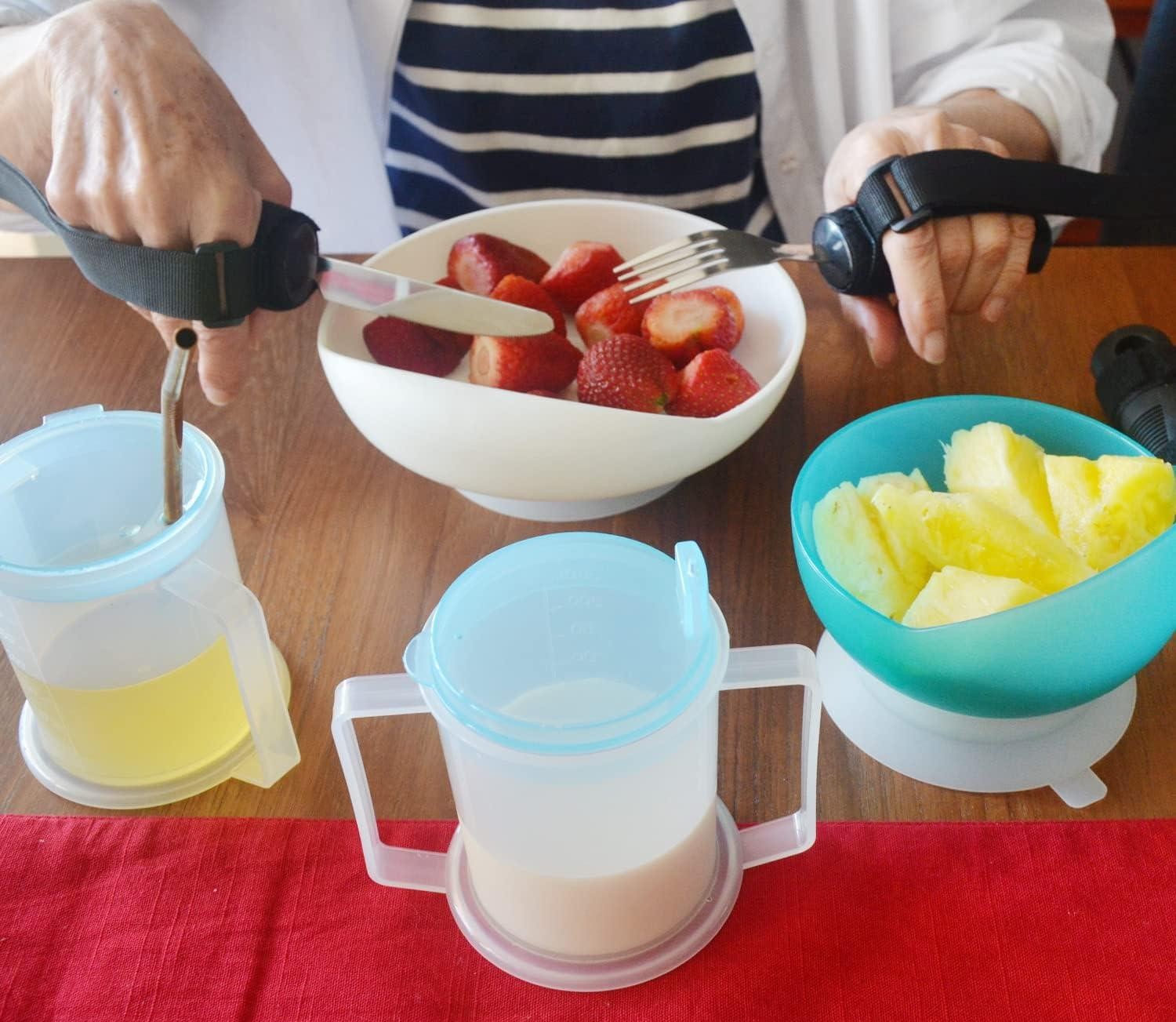
Adaptive equipment includes changes around the utensil, too. A non-slip mat can keep a dish from sliding, and a plate guard provides an edge to scoop against. Kent Community Health NHS Foundation Trust describes seating, adapted cutlery, and non-slip mats as parts of a mealtime setup. Kent Community Health: Eating and drinking

When might a universal cuff help?
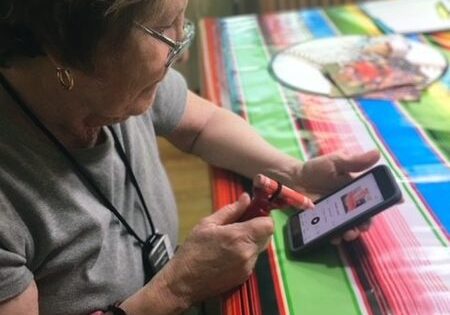
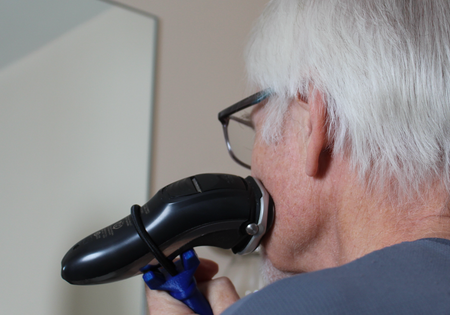
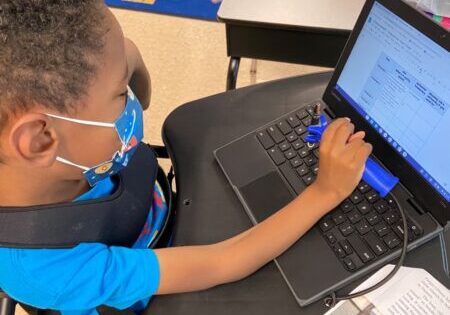
A universal cuff is a holder that supports a utensil at the hand when maintaining a grasp takes too much effort. For example, functionalhand® is a therapist-developed adaptive device that holds everyday objects, including utensils, in different orientations. Its role here is grasp and object-positioning support. Fit and usefulness depend on the individual and the task. See how the adaptive aid holds utensils
Work with a therapist to check fit, utensil security, spoon angle, and the person’s ability to release or remove the device. Try the actual spoon or fork you plan to use, because handle shapes differ. Stop and reassess if the setup causes discomfort or makes movement harder.
“Meaningful independence can include setup help, an adapted utensil, and the freedom to choose your next bite.”
How can caregivers and therapists trial eating tools?
Make the person’s priorities the measure of success. Someone may value eating breakfast with less help, while someone else wants to use a familiar fork at a restaurant. For children, choose a utensil that fits the hand and mouth and matches current skills. Parents can offer choices and time to initiate movement; adults should direct their own support whenever possible.
- Choose one goal. Name the task, such as scooping cereal or keeping the spoon comfortable through lunch.
- Look at positioning. During eating, aim for a supported, upright posture with the trunk aligned over the pelvis and arms comfortably forward toward the table. A table surface that supports the forearms can help with the hand control needed to spear and scoop food. Adapt the setup to the person’s positioning needs.
- Stabilize the dish. A non-slip material, such as Dycem, can help keep the plate or bowl from sliding on the table.
- Take your time. Allow a comfortable pace and avoid rushing meals.
- Change one feature at a time. Keep the chair, food, and dish similar while you compare utensil options.
- Observe a realistic trial. Note comfort, spills, effort, time, and the amount of assistance the person wants.
- Revisit the setup. A tool that works for several bites may feel different later in the meal. Bring observations to occupational therapy.
Ask before stepping in. Preparing food or steadying a plate may give someone the support they need to continue bringing each bite to the mouth. Accept requested help and allow rest; participation does not require completing every step alone.
One client’s experience
“I use it to eat. I’ve got 2 functionalhands with spoons and 1 with a fork. I found some longer than normal utensils so it’s easier to reach my mouth. I turn the tines of the fork down instead of how it’s normally used, so it’s easier to stab stuff since my wrists don’t bend much anymore. I wouldn’t still be eating independently without them.”
Excerpt from feedback shared by a user.
What questions come up about adaptive utensils?
Can children use adaptive utensils?
Yes. Children can use appropriately sized tools to support grasp, scooping, and bringing food to the mouth. A pediatric occupational therapist can help match the utensil to the child’s abilities, positioning, and feeding plan; provide supervision appropriate to the child and utensil.
How should I clean adapted eating tools?
Follow the manufacturer’s instructions for each component. Removable grips, holders, and powered handles can require different cleaning methods; do not assume that every part tolerates a dishwasher or immersion.
Will a different spoon help with coughing during meals?
A different handle alone does not resolve swallowing difficulty; contact your healthcare team about coughing, choking, or other swallowing concerns and request assessment by a speech-language pathologist, a clinician who evaluates swallowing and communication. The American Speech-Language-Hearing Association describes swallowing concerns such as a wet-sounding voice, coughing, and extra effort during meals. Difficulty moving food to the mouth and difficulty swallowing need different assessments. Taking smaller bites may help reduce choking risk, but bite size and other swallowing strategies should follow the person’s individualized swallowing recommendations. ASHA: Adult dysphagia, or swallowing difficulty
Do I need to wait until I cannot feed myself?
You can ask for occupational therapy when eating begins to require more effort or assistance than you want. An early conversation offers time to explore equipment, practice a setup, and decide what fits your routines.
Order Your functionalhand® Today
If you’re interested in purchasing a universal cuff for yourself or someone you care about, we hope you’ll consider investing in the functionalhand® universal cuff.
You won’t just be purchasing a product; you’ll be investing in a person’s ability to lead a more independent and fulfilling life.
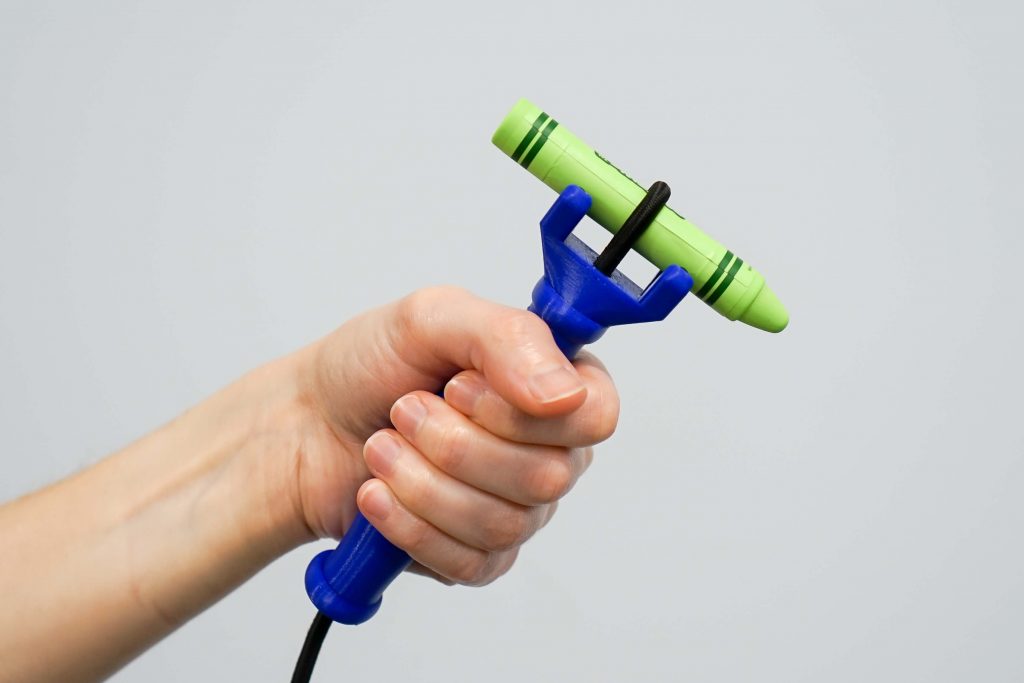
“Just want to say thank you so much for making these! As someone who’s lost a lot of movement in my hands and can no longer write, it’s allowed me to not only write for the first time in ages but also draw! Along with using a knife to spread jam! Thank you so much”
About the Authors, Owners, and Inventors of the functionalhand®
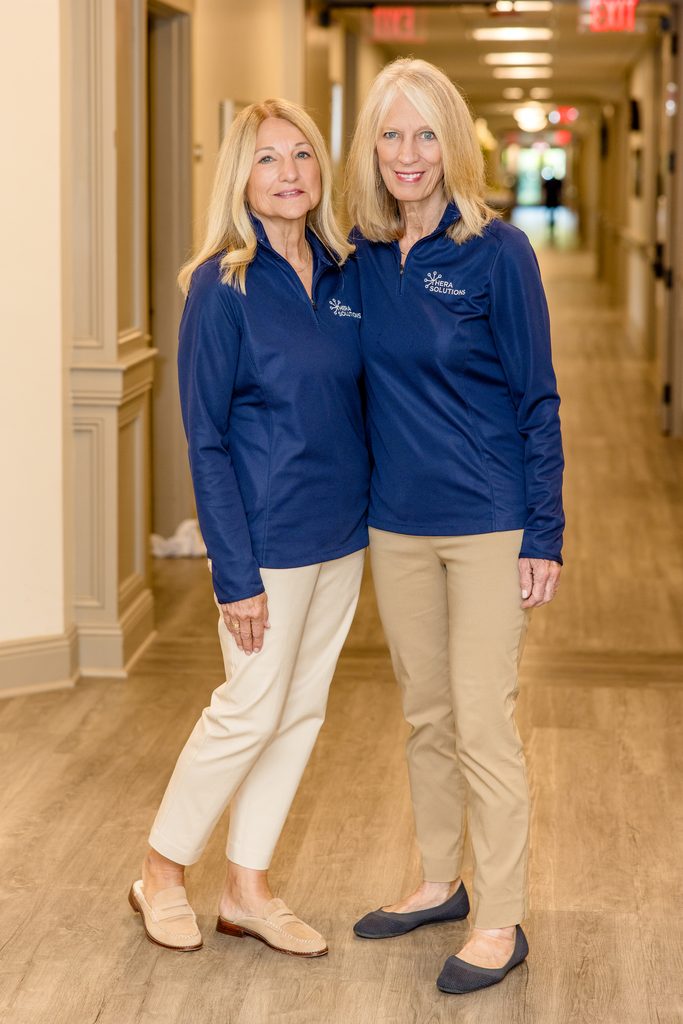
Celine Rosati Skertich, PT, and Linda Merry, OT, each have over 40 years of experience empowering individuals with motor impairments improve postural control and functional independence. Linda specializes in creating custom tools for grasp deficits, inspiring their collaboration on the functionalhand®, an adaptive tool designed to support diverse grasp needs. Follow them for therapeutic tips on YouTube, Instagram, and Facebook.
Recommended read:
- Sarcopenia Symptoms: How Muscle Weakness Affects Hand Strength
- Chronic Pain in Older Adults: How Adaptive Equipment Helps
- Best ADL Grip Tools for Seniors with Hand and Wrist Weakness from Parkinson’s, Essential Tremors, and Hand Arthritis
- How the functionalhand® ADL Universal Cuff Transforms Lives for People with a Weak Grip