Fatigue Management: How to Save Energy for What Matters
Fatigue management is the process of changing how you approach daily activities so your available energy can support the activities that matter most. It does not simply mean resting more or doing less. Effective fatigue management can include planning tasks, pacing activity, changing body position, simplifying unnecessary steps, and using adaptive equipment when a particular part of an activity requires too much effort.
The key insight is that the goal is not to eliminate activity. The goal is to spend energy where it has the greatest value. For adults, older adults, caregivers, and therapists, that can mean finding practical ways to make everyday tasks more manageable while preserving participation and independence.
What Is Fatigue Management, and Why Does It Matter?
Fatigue management focuses on reducing the physical and cognitive demands of activities so you can use your energy more intentionally.
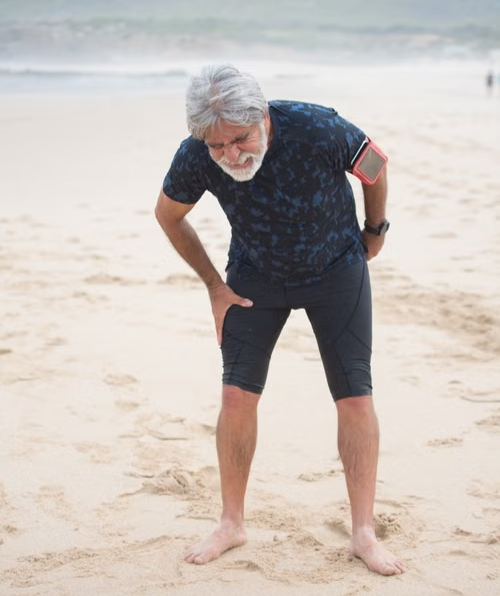
Fatigue is different from ordinary tiredness. Ordinary tiredness often follows a predictable period of physical or mental effort and improves with rest. Fatigue can be more persistent and can interfere with occupational performance, self-care, work, household responsibilities, recreation, social participation, and other activities that give daily life meaning.
Fatigue is not associated with just one diagnosis. It can be an important symptom for people living with a variety of neurological, inflammatory, respiratory, and other health conditions.
Examples include:
- Multiple sclerosis (MS)
- Rheumatoid arthritis (RA)
- Parkinson’s disease
- Stroke
- Chronic obstructive pulmonary disease (COPD)
- Cancer and its treatment
- Other chronic medical conditions
The cause and experience of fatigue can differ significantly from one condition, and one person, to another. Pain, inflammation, muscle weakness, changes in movement, breathing difficulties, sleep disruption, medication effects, cognitive demands, and the additional effort required to complete everyday activities can all contribute.
Research examining fatigue self-management for people with chronic conditions has included approaches such as energy conservation, activity pacing, exercise, cognitive-behavioral approaches, and comprehensive fatigue-management programs.
That is why fatigue management should be individualized rather than approached as a single treatment or set of rules.

For someone living with multiple sclerosis, for example, fatigue can affect occupational and work performance and social participation. Occupational therapy approaches therefore look beyond rest alone and consider how activities can be modified to support participation.
In rheumatoid arthritis, pain, fatigue, joint symptoms, and limitations in movement can make everyday activities increasingly demanding. Occupational therapy interventions can include joint protection, energy conservation, pain management, and other educational strategies. A systematic review found strong evidence for educational interventions addressing people’s ability to cope with pain and fatigue.
Fatigue is also a common non-motor symptom of Parkinson’s disease. A systematic review and meta-analysis of 44 studies involving 7,427 participants estimated that fatigue affected approximately 50% of people with Parkinson’s disease, although prevalence varied according to how fatigue was measured.
For someone who has experienced a stroke, fatigue may affect mobility, functional performance, recovery, and participation. A 2024 systematic review and meta-analysis found that greater post-stroke fatigue was associated with poorer mobility, balance, quality of life, and greater disability.
For people with COPD, fatigue and shortness of breath can make everyday activities more physically demanding. Research examining energy-conservation techniques during activities of daily living found that changing body position and how tasks were performed could reduce energy expenditure and perceived shortness of breath during several everyday activities.
Fatigue can also be an important concern for people during and after cancer treatment. Rehabilitation research supports addressing cancer-related fatigue as part of a broader approach to activity, function, and participation.
Although the underlying causes may differ, the practical question can be similar:
Where is energy being spent during an activity, and can unnecessary demands be reduced?
Fatigue management is not a single technique. It is a collection of strategies that help match the demands of an activity with the energy available to complete it.
How Can Energy Conservation Support Fatigue Management?
Energy conservation is one practical part of fatigue management. It involves identifying where energy goes during an activity and then changing the task, environment, timing, position, or equipment when those demands are unnecessarily high.
Four commonly used principles are:
| Strategy | What It Changes | Example |
|---|---|---|
| Prioritize | What deserves your energy | Complete essential or meaningful activities first |
| Plan | When and how tasks happen | Schedule demanding activities around higher-energy periods |
| Pace | How activity is distributed | Alternate activity with planned breaks or less demanding tasks |
| Position | The physical demands of the task | Sit for activities that do not require standing |
Simplifying a task can also reduce unnecessary effort. If a task includes several steps that do not contribute directly to the desired outcome, consider whether a step can be removed, combined, prepared in advance, or completed differently.
Position can matter as well.
Sitting instead of standing can reduce the physical demands of some activities, particularly when the activity can be completed safely from a supported position.
Another simple example is carrying your purse over your shoulder rather than holding it hanging down from your hand. Supporting the purse at the shoulder reduces the amount of sustained grasp required from the hand.
For someone with rheumatoid arthritis, changing the way an object is carried may also decrease stress on painful hand joints. For someone recovering from a stroke or living with Parkinson’s disease, stabilizing or positioning an object differently may reduce some of the effort required to complete a task.
The purpose is not to make every activity easier at all costs.
The purpose is to preserve enough energy to participate in the activities you value.
Pro Tip: Track one demanding activity for several days. Write down what makes it tiring, including standing, reaching, repeated gripping, walking, lifting, manipulating small objects, or switching between tasks. Then change one demand at a time and see whether the activity becomes more manageable.
Which Fatigue Management Strategies Can You Use During Daily Activities?

Start by asking a simple question:
Where is your energy going?
For some activities, the answer is obvious.
Walking across a large store takes physical effort. Preparing a meal can involve standing, reaching, lifting, opening containers, cutting food, carrying items, and moving between work surfaces.
But smaller demands can add up too.
Repeatedly gripping and re-gripping an object can become one of those hidden demands.
Imagine writing with a marker that slips slightly each time you move your hand. You may repeatedly adjust your fingers, reposition the marker, and tighten your grip.
The activity is technically writing, but some of your effort is being spent simply keeping hold of the tool.
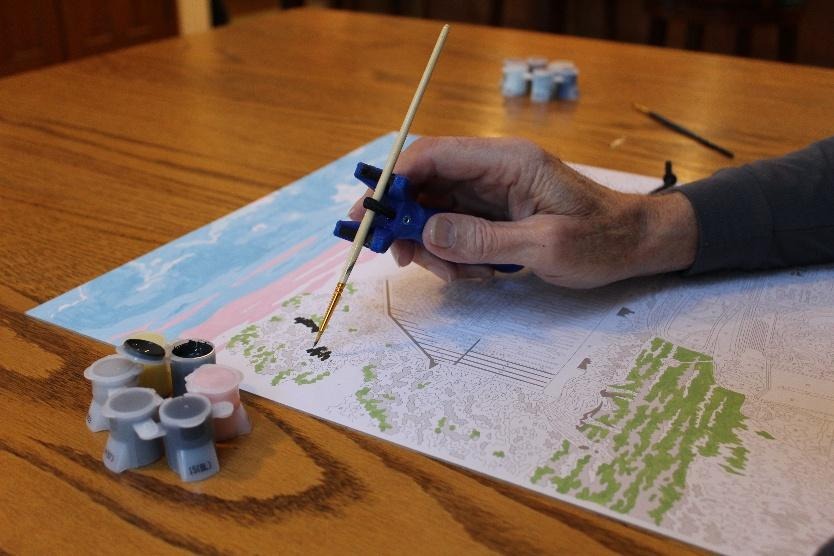
The same principle can apply to holding a fork, toothbrush, paintbrush, stylus, gardening tool, or another everyday object.
For someone experiencing fatigue along with weakness, pain, tremor, joint changes, or difficulty maintaining a grasp, the effort required simply to keep hold of an object may become one part of the total energy cost of an activity.
Look for the Hidden Demands
Consider whether an activity involves:
- Standing when you could safely sit
- Repeated reaching
- Carrying materials back and forth
- Repeated gripping or re-gripping
- Holding an object tightly so it does not slip
- Opening difficult containers
- Working with your arms unsupported
- Frequently changing position
- Repeating unnecessary steps
- Gathering supplies after an activity has already begun
Small changes in several of these areas may add up to a meaningful difference in how demanding an activity feels.
Can Adaptive Equipment Be Part of Fatigue Management?
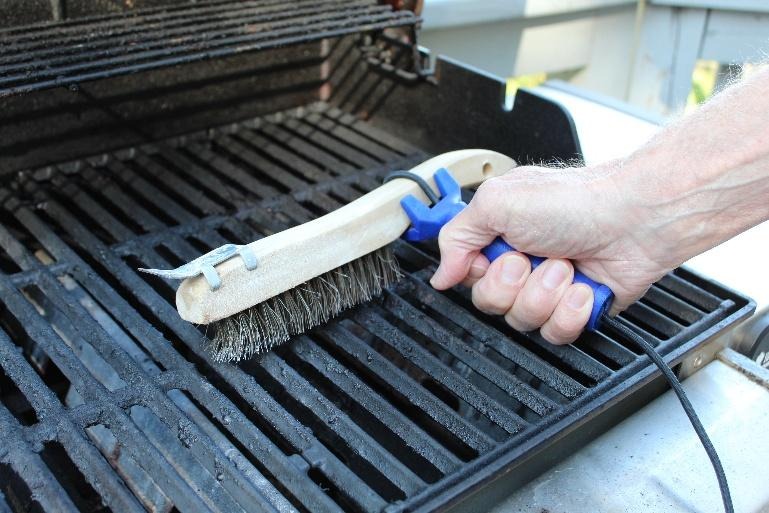
Yes, when the equipment addresses a specific task demand. An adaptive device can change one particular part of a task that is consuming unnecessary effort.
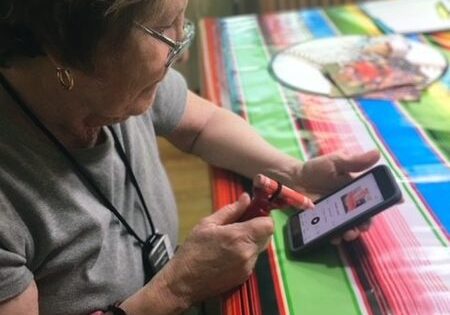
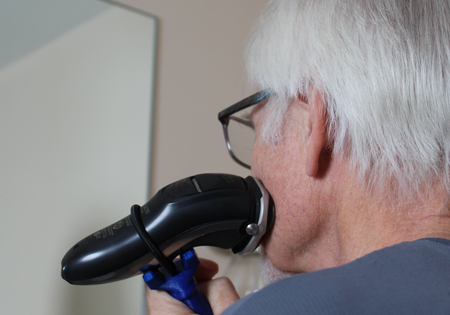
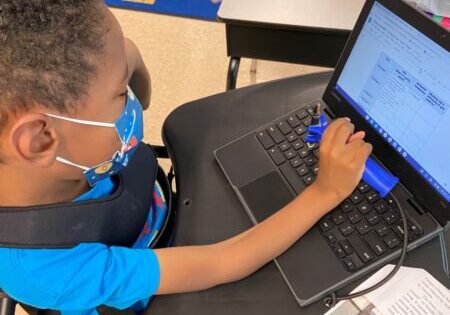
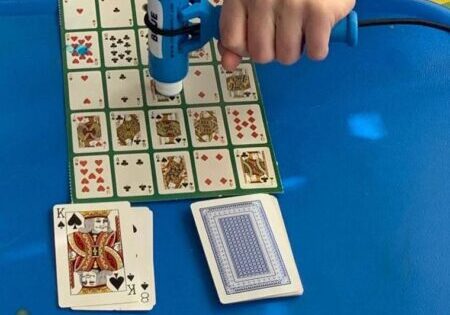
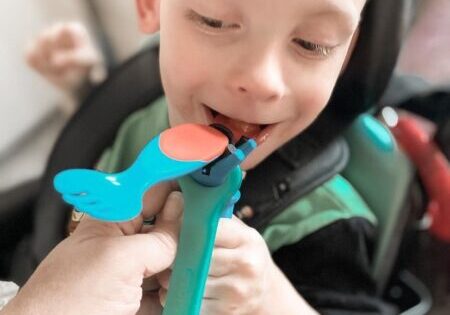
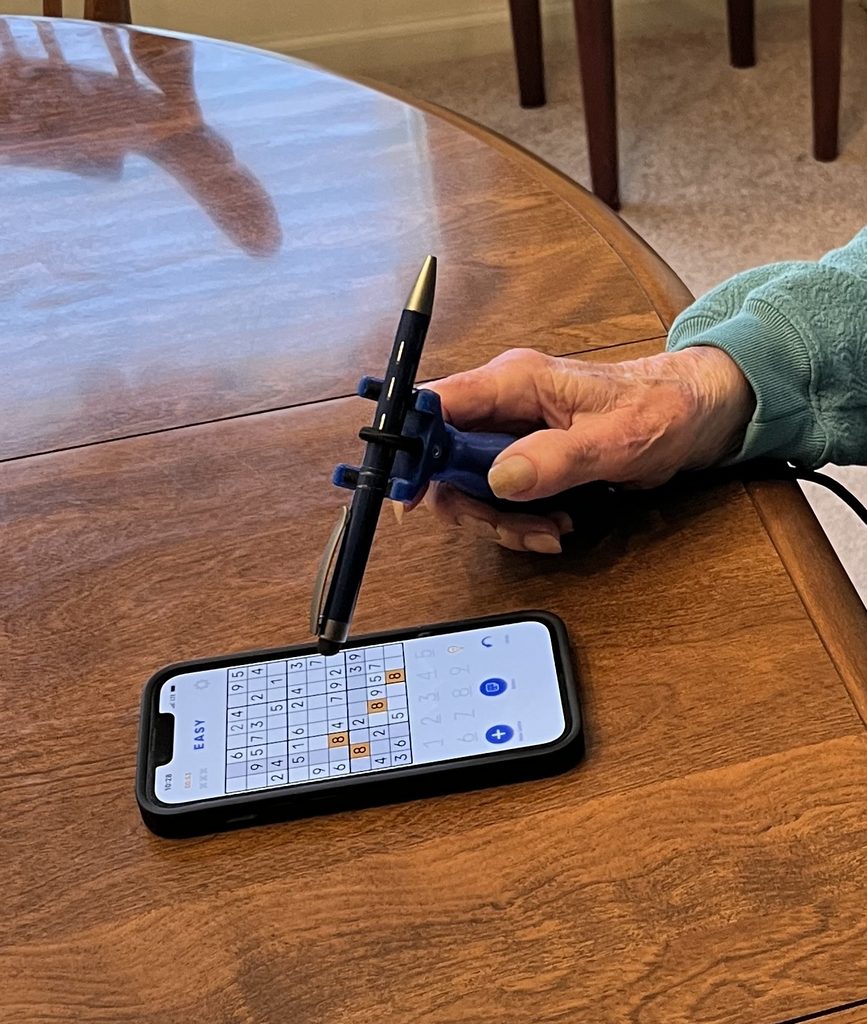
The functionalhand® is one example of an adaptive device that can secure everyday objects such as writing tools, eating utensils, toothbrushes, styluses, paintbrushes, and other items.
In the context of fatigue management, its purpose is not to treat fatigue or the underlying medical condition.
Instead, the functionalhand® can change the grasp demands of an activity when maintaining, adjusting, or repeatedly re-establishing a grip is one of the parts of the task requiring significant effort.
For example, consider someone who has difficulty maintaining a utensil in the hand. Without an adaptive device, that individual might repeatedly tighten the fingers, reposition the utensil, stop to adjust it, or depend on another person to place it back into the hand.
If an adaptive device securely holds the utensil, some of that effort may no longer be necessary.
That distinction matters.
Adaptive equipment should support participation rather than automatically replace movements or abilities a person can use successfully.
Fatigue management is not about doing less with your life. It is about changing the demands of daily activities so more of your available energy can go toward the things that matter.
What Does the Research Say About Fatigue Management?
Research on fatigue management is particularly well developed in multiple sclerosis, where energy-conservation and fatigue-management programs have been studied as part of rehabilitation and occupational therapy.
A 2019 umbrella review examining occupational therapy interventions for MS-related fatigue found moderate evidence for fatigue-management programs, while evidence for individual occupational therapy strategies and telerehabilitation was lower.
A 2024 systematic review and meta-analysis included 15 studies and 1,473 participants with MS. Educational interventions reduced fatigue severity and fatigue impact immediately following treatment. Energy-conservation-based approaches were among the interventions studied. However, the certainty of evidence varied, and longer-term results were mixed.
An earlier systematic review and meta-analysis specifically examining energy-conservation treatment for MS-related fatigue found short-term improvement in several measures of fatigue impact and selected quality-of-life outcomes. The researchers found limited or no evidence for several other outcomes, and the included studies did not establish long-term effects.
The practical takeaway is straightforward:
Fatigue management has evidence behind it, but no single strategy works equally well for every person, diagnosis, activity, or outcome.
What About Other Diagnoses?
Rheumatoid arthritis: A systematic review of educational interventions within the scope of occupational therapy included joint protection, energy conservation, pain management, disease education, and psychosocial approaches. The review found strong evidence for interventions addressing people’s ability to cope with pain and fatigue, although evidence for many other measured outcomes was limited or absent.
Parkinson’s disease: Fatigue is a frequent non-motor symptom and is associated with poorer quality of life. A 2026 systematic review examining non-pharmacological interventions found preliminary evidence for exercise-based approaches, but the authors emphasized that the available evidence remains limited.
Stroke: Post-stroke fatigue has been associated with poorer mobility, balance and quality of life as well as greater disability and stroke impairment. These relationships help explain why fatigue may become an important consideration when planning how an individual returns to meaningful activities.
COPD: Energy-conservation techniques have been studied during actual activities of daily living. In one study, 16 men with moderate-to-very-severe COPD performed ADLs with and without recommended energy-conservation positions. The techniques reduced energy costs and perceived dyspnea during several of the activities tested.
Cancer: Rehabilitation research supports addressing cancer-related fatigue as part of a broader approach to function and participation. An occupational therapy systematic review found strong evidence supporting exercise for cancer-related fatigue while also identifying areas where additional research is needed.
The diagnosis may help explain why a person is fatigued. Fatigue management, however, still needs to be connected to that individual person’s activities, abilities, symptoms, environment, and priorities.
How Can Caregivers and Therapists Apply Fatigue Management?
Fatigue management works best when it connects directly to a person’s actual activities and priorities.
Instead of asking only: “How can we reduce fatigue?”
ask:
- Which activities matter most to this person?
- Which parts of those activities consume the most energy?
- Is the person using significant energy just to hold or stabilize an object?
- Are pain, weakness, shortness of breath, tremor, or joint limitations adding to the demands?
- Can the activity be completed in a different position?
- Can unnecessary steps be removed?
- Can supplies be gathered before the activity begins?
- Can frequently used objects be placed within easier reach?
- Can the task be divided into smaller periods?
- Can more demanding activities be alternated with less demanding ones?
- Would adaptive equipment reduce a specific physical demand?
- Does the person have enough energy left for the activity they actually want to do?
For therapists, this approach connects fatigue management with occupational performance and participation. For caregivers, it can shift the focus from doing tasks for someone to helping the person find a way to participate with less unnecessary effort. For the person experiencing fatigue, it can provide a more useful goal than simply trying to “push through.”
Pro Tip: Choose one meaningful activity rather than trying to redesign the entire day at once. Test one change, such as sitting, preparing materials in advance, taking a planned pause, reducing repeated gripping, or using adaptive equipment. Keep the strategy that improves participation without creating a new problem.
How Can Adaptive Equipment Reduce Specific Task Demands?
Yes, when the equipment addresses a specific task demand.
Adaptive equipment can help change how an activity is performed. Depending on the task, that could mean:
- Reducing the need for sustained gripping
- Helping secure an object
- Stabilizing an object
- Changing the position or orientation of a tool
- Reducing repeated repositioning
- Reducing unnecessary reaching
- Allowing the person to use a different movement pattern
For example, someone who spends considerable effort maintaining a grip on a utensil may benefit from a device that helps secure the utensil.
Someone with rheumatoid arthritis may want to decrease repeated or forceful gripping because of hand pain or joint stress.
A person with neurological changes following a stroke or someone living with Parkinson’s disease may be using additional effort to maintain, adjust, or stabilize an object.
The objective is not to claim that an adaptive device reduces a person’s overall fatigue.
The more precise question is:
Can changing one physical demand make this particular activity require less unnecessary effort?
This is where an abilities-first approach to fatigue management can be useful.
Instead of beginning with what a person can no longer do, ask:
What adjustment could allow this person to keep participating?
The right adaptive device should fit the activity, the person’s abilities, and their goals. An occupational therapist can help determine whether a particular device, task modification, environmental change, or strategy is appropriate.
Frequently Asked Questions About Fatigue Management
What Is the Difference Between Fatigue Management and Resting?
Rest is one possible component of fatigue management, but fatigue management is broader.
It also includes planning, pacing, positioning, prioritizing, simplifying activities, modifying the environment, and changing task demands or equipment.
The goal is not simply to stop activity. It is to decide how available energy can be used most effectively.
What Health Conditions Can Cause Fatigue?
Fatigue can occur with many health conditions. Examples include multiple sclerosis, rheumatoid arthritis, Parkinson’s disease, stroke, COPD, cancer and its treatment, and many other medical conditions.
The reasons for fatigue can differ significantly. That is why persistent, new, unexplained, or worsening fatigue should be discussed with a healthcare professional rather than automatically attributed to an existing diagnosis.
Does Fatigue Management Mean Doing Fewer Activities?
Not necessarily.
The purpose of fatigue management is to help you use available energy more intentionally.
Changing how an activity is performed can sometimes make it possible to continue participating without spending unnecessary energy on one difficult part of the task.
Can Fatigue Management Help People With Multiple Sclerosis?
Research suggests that fatigue-management education and energy-conservation approaches may improve some short-term fatigue outcomes for people with MS.
A 2024 systematic review and meta-analysis found reductions in fatigue severity and fatigue impact immediately following educational interventions, although long-term findings were mixed and the certainty of evidence varied.
Can Energy Conservation Help People With Rheumatoid Arthritis?
Energy conservation and joint protection are included within occupational therapy approaches for people with rheumatoid arthritis.
A systematic review of educational interventions within OT’s scope of practice found strong evidence for interventions addressing coping with pain and fatigue, although effectiveness varied depending on the outcome being measured.
Is Fatigue Common in Parkinson’s Disease?
Yes.
A systematic review and meta-analysis of 44 studies involving 7,427 participants estimated an overall fatigue prevalence of approximately 50% among people with Parkinson’s disease, although estimates varied according to the fatigue measures and thresholds used.
Is Fatigue Common After a Stroke?
Post-stroke fatigue is an important rehabilitation concern.
Research has found relationships between higher levels of post-stroke fatigue and poorer mobility, balance and quality of life, as well as greater disability and stroke impairment.
Can Energy Conservation Help Someone With COPD?
Energy-conservation strategies can change the physical demands of some everyday activities.
Research in people with COPD has shown that recommended body positions and energy-conservation techniques can reduce energy expenditure and perceived shortness of breath during several activities of daily living.
Pro Tip: Choose one meaningful activity rather than trying to redesign the entire day at once. Test one change, such as sitting, preparing materials in advance, taking a planned pause, or reducing repeated gripping. Keep the strategy that improves participation without creating a new problem.
Can Adaptive Equipment Help With Fatigue?
Adaptive equipment can reduce particular physical demands associated with an activity, such as gripping, stabilizing, positioning, reaching, or repeatedly adjusting an object.
It should be viewed as one possible strategy within a broader fatigue-management approach rather than as a treatment for the underlying cause of fatigue.
For example, if a person is repeatedly losing, adjusting, or tightening the grasp on an eating utensil, securing the utensil may change that particular demand.
The important question is not:
“Does this device treat fatigue?”
Instead ask:
“Does this device reduce an unnecessary demand that is making this activity more difficult?”
When Should I Talk With an Occupational Therapist About Fatigue?
Consider discussing fatigue with an occupational therapist when it regularly interferes with self-care, work, household activities, recreation, social participation, or other meaningful occupations.
An OT can analyze the activity itself and help identify possible changes involving:
- Pacing
- Positioning
- Task setup
- Energy conservation
- Environmental modification
- Work simplification
- Joint protection
- Adaptive equipment
A Practical Way to Start Fatigue Management
Fatigue management starts with one meaningful activity.
Choose something you want to keep doing.
Identify the part that consumes the most energy.
Then look for one change that reduces that demand without taking the activity away from you.
That could mean:
- Sitting instead of standing
- Gathering supplies before beginning
- Spacing demanding tasks throughout the day
- Alternating more demanding and less demanding activities
- Simplifying a sequence
- Moving frequently used items within easier reach
- Avoiding unnecessary carrying
- Reducing repeated gripping or repositioning
- Using adaptive equipment for a difficult grasp
The goal is not simply to conserve energy. The goal is to make your energy available for participation, independence, and the activities that matter to you.
Clinical Note: Fatigue can have many causes, including medical conditions, sleep problems, medications, mood changes, nutritional concerns, and other factors. New, persistent, unexplained, or worsening fatigue should be discussed with a qualified healthcare professional. Fatigue-management strategies should be individualized to the person’s medical condition, symptoms, abilities, and goals.
Order Your functionalhand® Today
If you’re interested in purchasing a universal cuff for yourself or someone you care about, we hope you’ll consider investing in the functionalhand® universal cuff.
You won’t just be purchasing a product; you’ll be investing in a person’s ability to lead a more independent and fulfilling life.
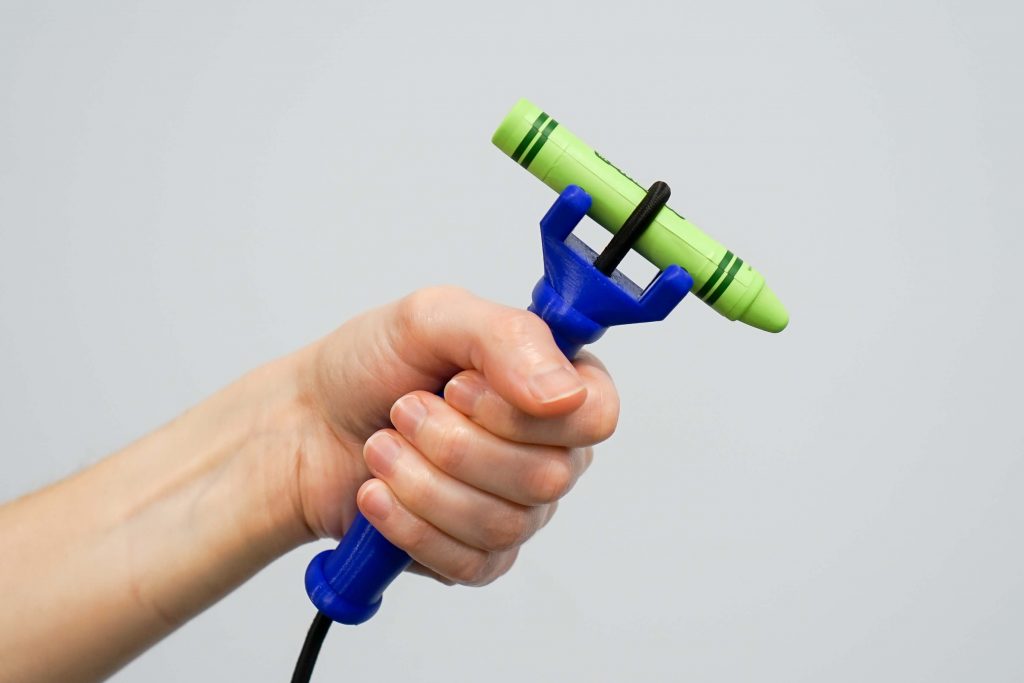
“Just want to say thank you so much for making these! As someone who’s lost a lot of movement in my hands and can no longer write, it’s allowed me to not only write for the first time in ages but also draw! Along with using a knife to spread jam! Thank you so much”
About the Authors, Owners, and Inventors of the functionalhand®
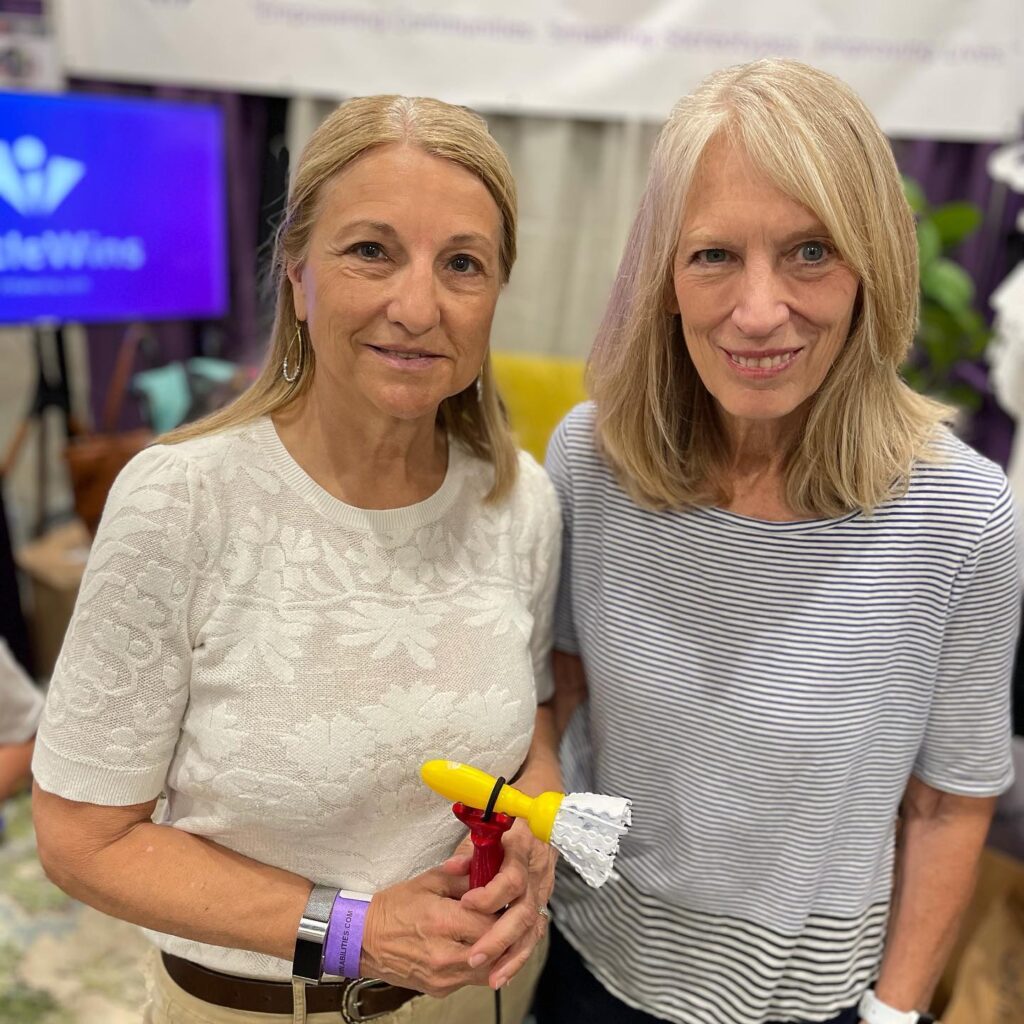
Celine Rosati Skertich, PT, and Linda Merry, OT, each have over 40 years of experience empowering individuals with motor impairments improve postural control and functional independence. Linda specializes in creating custom tools for grasp deficits, inspiring their collaboration on the functionalhand®, an adaptive tool designed to support diverse grasp needs. Follow them for therapeutic tips on YouTube, Instagram, and Facebook.
Recommended read:
- When Tremor Makes Holding On Difficult: A Practical 2026 Guide
- Sarcopenia Symptoms: How Muscle Weakness Affects Hand Strength
- Chronic Pain in Older Adults: How Adaptive Equipment Helps
- Best ADL Grip Tools for Seniors with Hand and Wrist Weakness from Parkinson’s, Essential Tremors, and Hand Arthritis
- How the functionalhand® ADL Universal Cuff Transforms Lives for People with a Weak Grip