Sarcopenia Symptoms: How Muscle Weakness Affects Hand Strength
Sarcopenia symptoms are the early physical signs of age-related muscle loss, and for many people, the first one to appear is a change in hand strength. A jar lid that used to twist open easily now takes both hands. A toothbrush feels harder to hold steady. Writing a full page leaves your hand tired in a way it never used to.
This article covers the most common sarcopenia symptoms, why grip strength often declines faster than muscle mass itself, and what the research says about slowing or adapting to that change. The key insight most people miss: losing muscle and losing the ability to use it are not the same thing, and the second one matters more.
What Are the Symptoms of Sarcopenia?
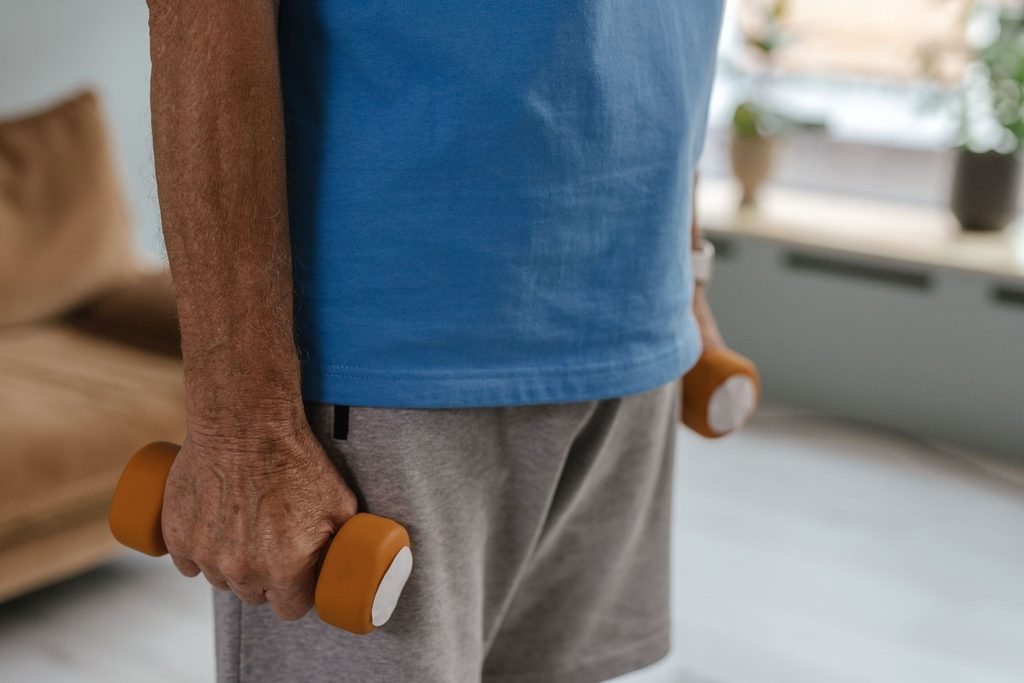
Sarcopenia symptoms are often subtle at first, and hand-related tasks are frequently among the earliest to show it. Common early symptoms include:
- Difficulty opening jars, bottles, or packaging
- Trouble holding silverware through a full meal
- A toothbrush or pen that feels harder to grip
- Fatigue when writing for more than a few minutes
- New difficulty holding a phone or stylus
- Trouble carrying grocery bags or other objects
- New difficulty getting up from a chair or climbing stairs
Sarcopenia itself is the progressive loss of skeletal muscle strength, muscle quantity and quality, and physical performance that occurs with aging. The European Working Group on Sarcopenia in Older People, in its 2019 revised consensus, names low muscle strength as the primary marker, not muscle mass alone. Muscle mass confirms a diagnosis; physical performance reflects how severe it has become.
That distinction changes the question worth asking. It is not “how much muscle does this person have.” It is “can they still use that muscle to get through the day.”
The National Institute on Aging links these symptoms to weakness, fatigue, lower energy, difficulty walking or climbing stairs, and higher fall and fracture risk. Grip strength is one of the clinical measures researchers use to assess sarcopenia directly, alongside tests like the chair-stand.
Why Does Grip Strength Decline Faster Than Muscle Mass?
The Strength-Mass Gap
Muscle strength does not decline at the same pace as muscle mass. It declines faster, often considerably faster. One large review found that around age 75, muscle mass was shrinking by roughly 0.6 to 1 percent per year, while strength was dropping by roughly 2.5 to 4 percent per year. Across studies that tracked both, strength was lost two to five times faster than muscle mass.
Looking strong and functioning strongly are not the same thing. A person can retain a reasonable amount of muscle while still losing the functional strength needed to open a jar, carry groceries, or grip a stair railing.
What the Grip Strength Data Shows
Grip strength research bears this out directly. A meta-analysis of twelve British studies covering nearly 50,000 participants found peak median grip strength of about 51 kg for men and 31 kg for women, reached between ages 26 and 42. A broader global meta-analysis of grip strength norms, drawing on more than 96,000 observations, confirms the same pattern worldwide: strength climbs through early adulthood, holds through midlife, then declines from midlife onward.
| Measure | Men | Women |
|---|---|---|
| Peak median grip strength (ages 26-42) | ~51 kg | ~31 kg |
| Prevalence of clinically weak grip by age 80 | ~23% | ~27% |
Source: Dodds et al., grip strength across the life course, twelve British studies.
Pro Tip: Grip strength shifts with fatigue and time of day. Tell your therapist if a task gets harder by evening.
How Do Sarcopenia Symptoms Affect Independence and Daily Life?
Left unaddressed, sarcopenia symptoms extend well past inconvenience. A 2026 systematic review and meta-analysis of more than 76,000 community-dwelling older adults found sarcopenia associated with 90 percent greater odds of long-term functional decline and 79 percent greater odds of all-cause mortality.
A separate meta-analysis of 98,754 older adults found sarcopenia associated with measurably higher risk across several outcomes.
| Outcome | Increased Risk with Sarcopenia |
|---|---|
| Falls | 1.93x |
| Fractures | 2.25x |
| Hospital admission | 1.52x |
| Disability | 2.74x |
| Death | 2.09x |
These are associations, not proof that sarcopenia directly causes each outcome. They still show how much weight declining muscle function carries as people age.
Can Exercise Reverse Age-Related Muscle and Grip Loss?
Sarcopenia is not an inevitable downward spiral. Exercise, particularly strength-focused activity, is one of the best-documented ways to protect against age-related muscle and function loss. The National Institute on Aging notes that regular physical activity helps guard against exactly this kind of decline.
A systematic review of 32 studies involving more than 3,000 older adults found that exercise and nutrition interventions improved grip strength and gait speed. A separate network meta-analysis of 42 trials involving nearly 3,728 adults with sarcopenia reached the same conclusion: exercise measurably improves strength, physical function, and quality of life.
“Strengthen what can be strengthened. Adapt what needs to be adapted. And continue participating.”
That framing matters because the answer to a harder-to-hold toothbrush or a heavier-feeling grocery bag is not automatically “do less.”
What Can You Do When Holding Objects Becomes the Barrier?
Two Ways to Support Function
Occupational therapists generally think about maintaining function along two tracks.
- Support the person. Strength training, staying active, nutrition, positioning, and appropriate medical or therapy intervention. This is the “build capacity” side.
- Change the demands of the task. Modify the object, adjust arm or hand positioning, stabilize the extremity, reduce how much active grip a task requires, or introduce adaptive equipment. This is the “reduce the barrier” side.
Both tracks matter, and they are not in competition. Someone can be doing strength work with a physical therapist and still benefit from a tool that reduces grip demand on a specific task the same week.
When Adaptive Tools Help
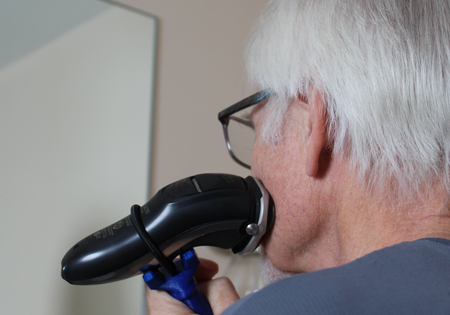
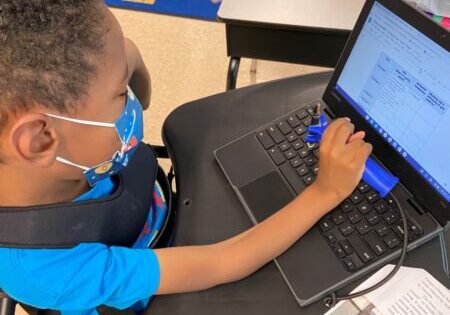
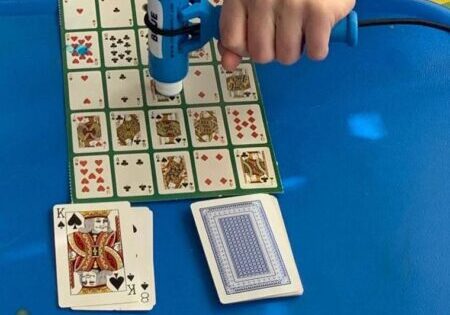
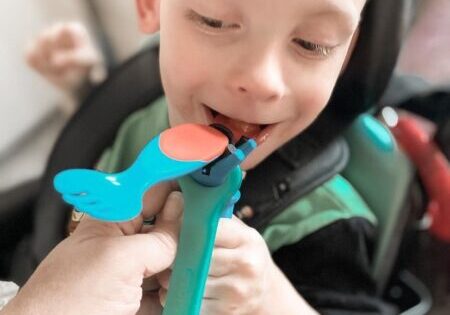
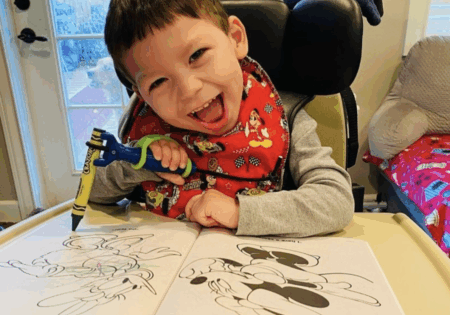
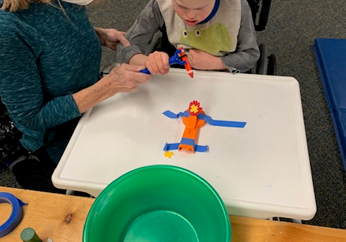
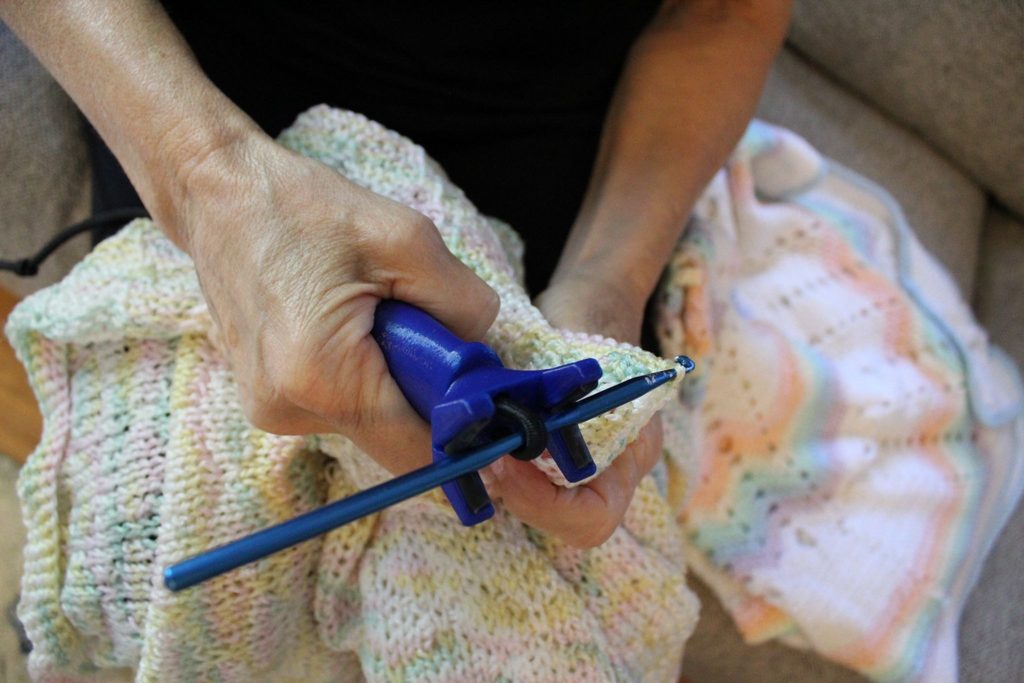
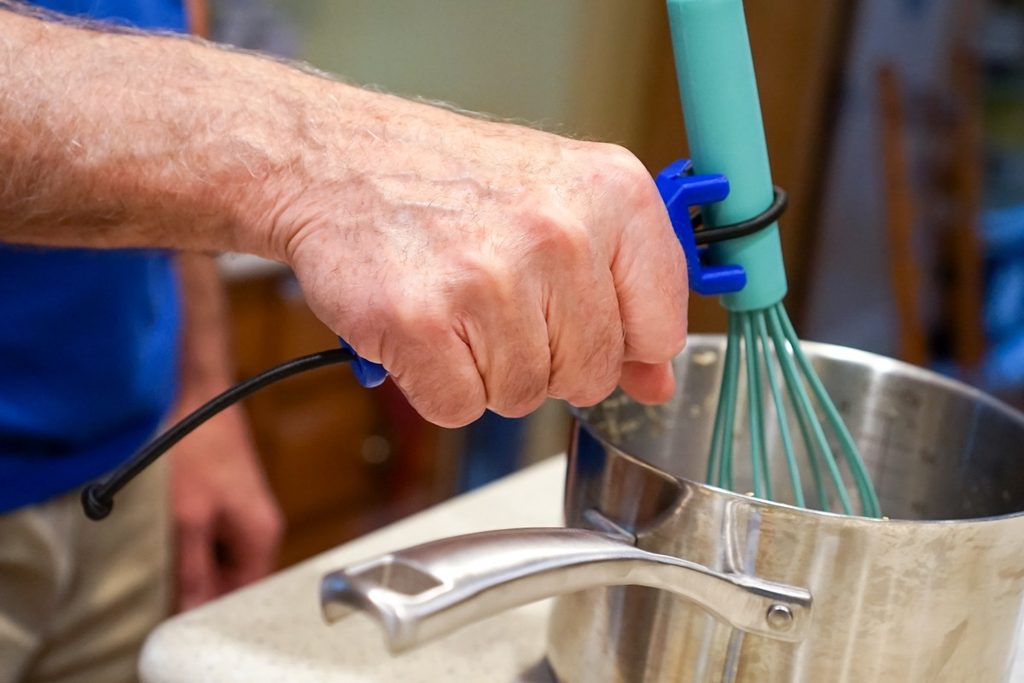
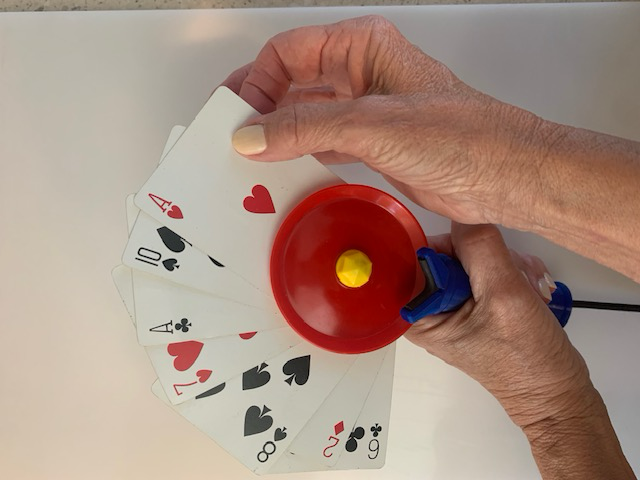
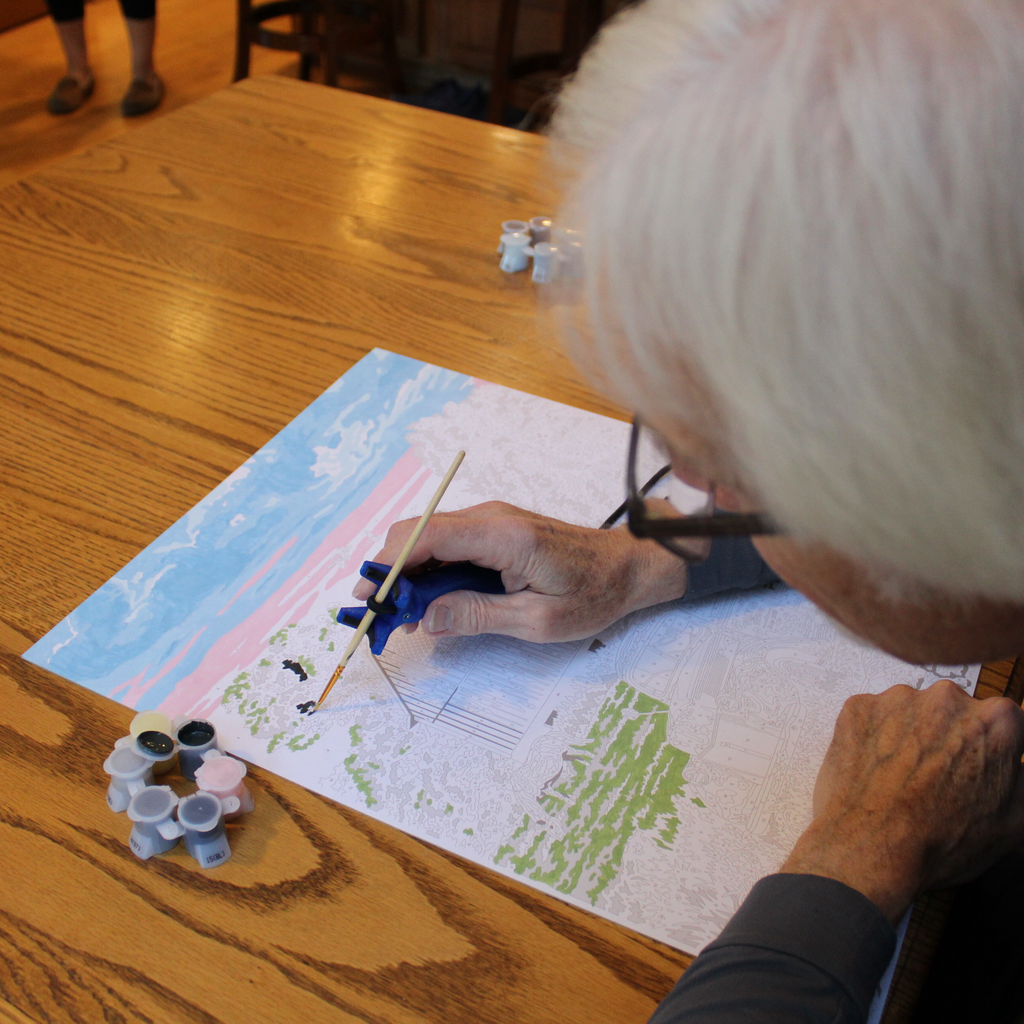
This is where adaptive equipment becomes relevant for a lot of people, not as a treatment for sarcopenia, but as a way to reduce the grasping demands of a specific activity when holding the object itself has become the barrier. Adaptive tools such as functionalhand® work on this second track: the device wraps around the hand and holds an object, such as a toothbrush, fork, pen, or gardening tool, in place, so the item stays secure even when maintaining a tight grip has become difficult. It does not treat sarcopenia and is not marketed to improve grip strength. For someone who still has the desire, cognition, and movement to do an activity but is losing the ability to hold onto what the activity requires, that distinction, holding the tool versus doing the activity, is often the whole story.
Pro Tip: Notice if you grip tighter, hand aches often, or switch hands. That pattern signals which track needs attention.
FAQ
What are the early symptoms of sarcopenia?
Early sarcopenia symptoms are usually functional rather than visible: difficulty opening jars, holding a toothbrush or pen, carrying groceries, or getting up from a chair. Grip strength often declines before overall muscle mass loss becomes noticeable, which is why hand-related tasks are frequently the first sign.
Does exercise slow sarcopenia or actually reverse it?
Research shows strength-focused exercise can measurably improve grip strength, gait speed, and physical function in older adults, not just slow further decline. It is one of the most well-supported interventions available for sarcopenia.
What causes grip strength decline with age?
Grip strength decline comes from the same processes driving sarcopenia broadly: loss of skeletal muscle fibers, changes in muscle quality, and nerve-related changes in how efficiently muscle is recruited. Grip strength tends to decline faster than overall muscle mass, which is why it is used clinically to assess sarcopenia.
When does adaptive equipment make sense instead of, or alongside, exercise?
Adaptive equipment tends to help when a specific task, not overall strength, is the sticking point, for example when the physical act of holding an object is what prevents someone from doing something they are otherwise able and motivated to do. It works alongside strength training rather than replacing it.
Can hand weakness from sarcopenia increase fall risk?
Yes. Grip strength is one of the clinical measures linked to broader physical performance and fall risk in sarcopenia research. Weak grip on a railing or unstable footing can compound other age-related balance changes.
Order Your functionalhand® Today
If you’re interested in purchasing a universal cuff for yourself or someone you care about, we hope you’ll consider investing in the functionalhand® universal cuff.
You won’t just be purchasing a product; you’ll be investing in a person’s ability to lead a more independent and fulfilling life.
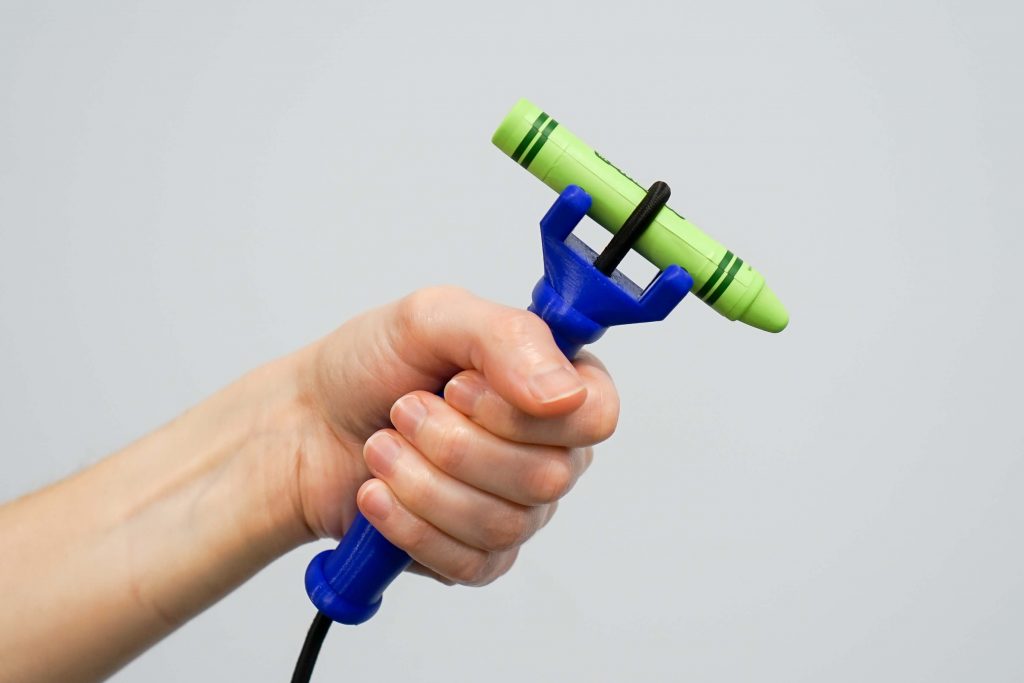
“Just want to say thank you so much for making these! As someone who’s lost a lot of movement in my hands and can no longer write, it’s allowed me to not only write for the first time in ages but also draw! Along with using a knife to spread jam! Thank you so much”
About the Authors, Owners, and Inventors of the functionalhand®

Celine Rosati Skertich, PT, and Linda Merry, OT, each have over 40 years of experience empowering individuals with motor impairments improve postural control and functional independence. Linda specializes in creating custom tools for grasp deficits, inspiring their collaboration on the functionalhand®, an adaptive tool designed to support diverse grasp needs. Follow them for therapeutic tips on YouTube, Instagram, and Facebook.
Recommended read:
- Best ADL Grip Tools for Seniors with Hand and Wrist Weakness from Parkinson’s, Essential Tremors, and Hand Arthritis
- How the functionalhand® ADL Universal Cuff Transforms Lives for People with a Weak Grip
- Accessible Wellness Guide with Tips, and Education on the Importance of Supporting Healthy Independence and Daily Routines with the functionalhand®