
Posts by Grace Nie
Fatigue Management: How to Save Energy for What Matters

Fatigue management is the process of changing how you approach daily activities so your available energy can support the activities that matter most. It does not simply mean resting more or doing less. Effective fatigue management can include planning tasks, pacing activity, changing body position, simplifying unnecessary steps, and using adaptive equipment when a particular…
Read MoreWhen Tremor Makes Holding On Difficult: A Practical 2026 Guide
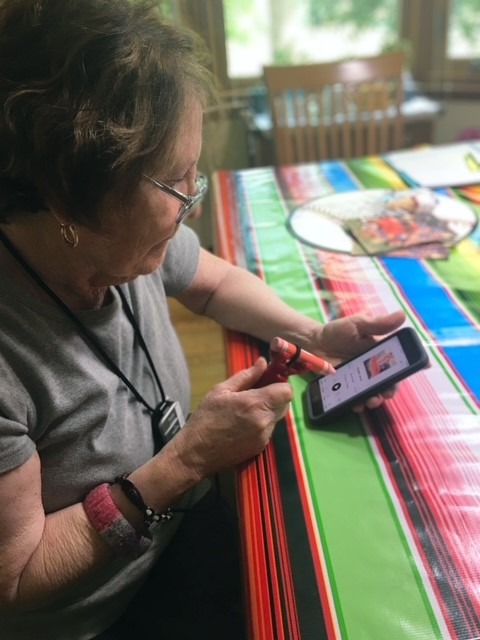
Adaptive equipment for hand tremor refers to tools and strategies that change how a person holds and controls an object, rather than treating the tremor itself. If shaking makes it hard to eat with a fork, hold a pen, or bring a cup to your mouth, medication and other medical treatments are the first line…
Read MoreSarcopenia Symptoms: How Muscle Weakness Affects Hand Strength
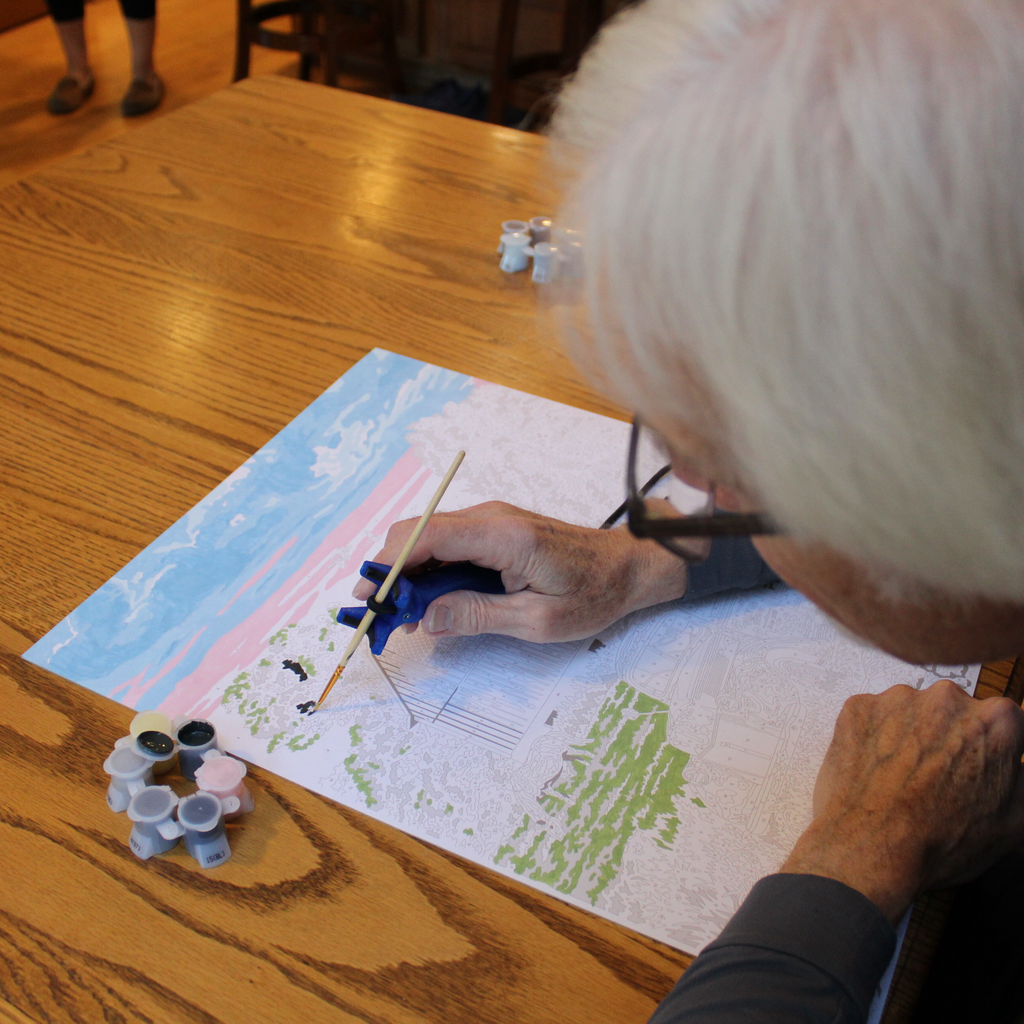
Sarcopenia symptoms are the early physical signs of age-related muscle loss, and for many people, the first one to appear is a change in hand strength. A jar lid that used to twist open easily now takes both hands. A toothbrush feels harder to hold steady. Writing a full page leaves your hand tired in…
Read MoreChronic Pain in Older Adults: How Adaptive Equipment Helps

Chronic pain in older adults is pain that occurs on most days for three months or longer, and its effects reach far beyond how someone feels physically. For someone living with arthritis or another painful condition, activities that once took little thought, preparing a meal, writing a note, gardening, getting dressed, can become exhausting enough…
Read MoreBack-to-School AAC Checklist: Supporting Access with a Stylus
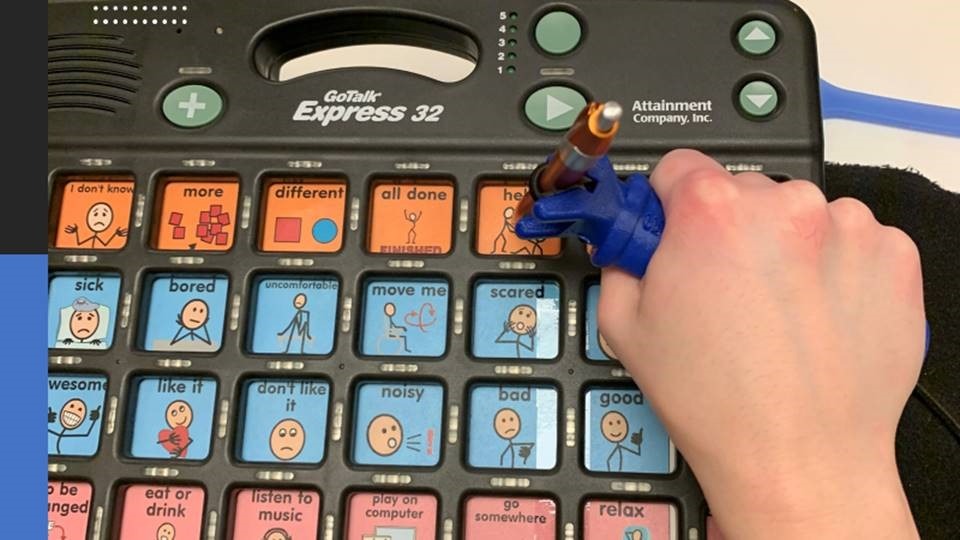
AAC devices can be accessed in many different ways. Eye gaze, switches and scanning are all valuable options for kids whose access needs are best addressed with one of these options. This back-to-school AAC checklist is specifically for families whose child wants to access their device by hand, directly touching or using a stylus on…
Read MoreTo Every Teacher and Classroom Aide: Back to School Tools for an Easier Year

Back to school season is a whirlwind for everyone. Kids are picking out notebooks, and families are relearning morning routines. But teachers and classroom aides are just as busy, if not busier, learning new rosters, reading new IEPs and 504 plans, and figuring out how to meet a room full of students with different needs…
Read MoreManaging Back to School Anxiety: A Checklist for Parents

Managing back to school anxiety often starts well before the first day, in the quiet weeks of prep that shape how ready a child feels to walk through the door. That prep touches more than school supplies and shoe sizes: it means helping a child feel emotionally ready for new routines, new faces, and a…
Read MoreInclusive Outdoor Activities for Kids: A Therapeutic Guide for Families
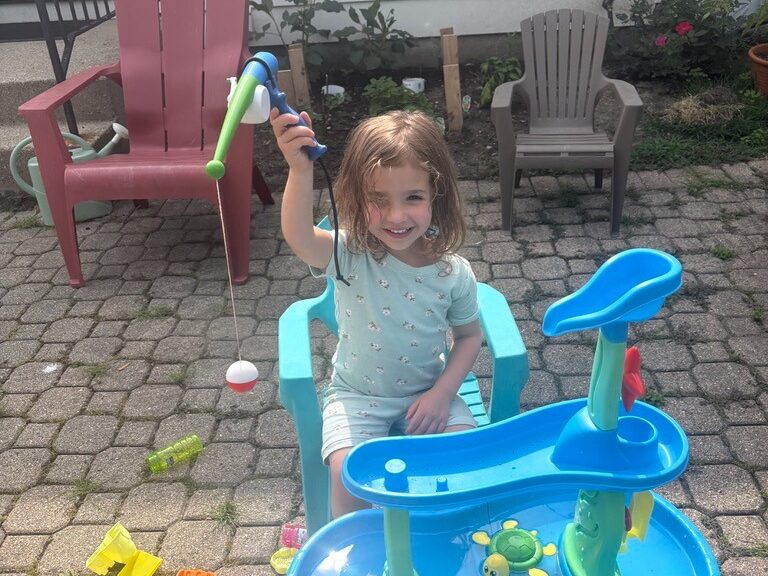
Inclusive outdoor activities for kids is the perfect way to have fun and reinforce skills. For families navigating a child’s developmental needs, they can be the therapy. The child blowing bubbles on the back porch is strengthening the muscles she uses to speak, swallow, and breathe. The child dragging chalk across the driveway is building…
Read MorePediatric Occupational Therapy Tools: A Guide by Use Case
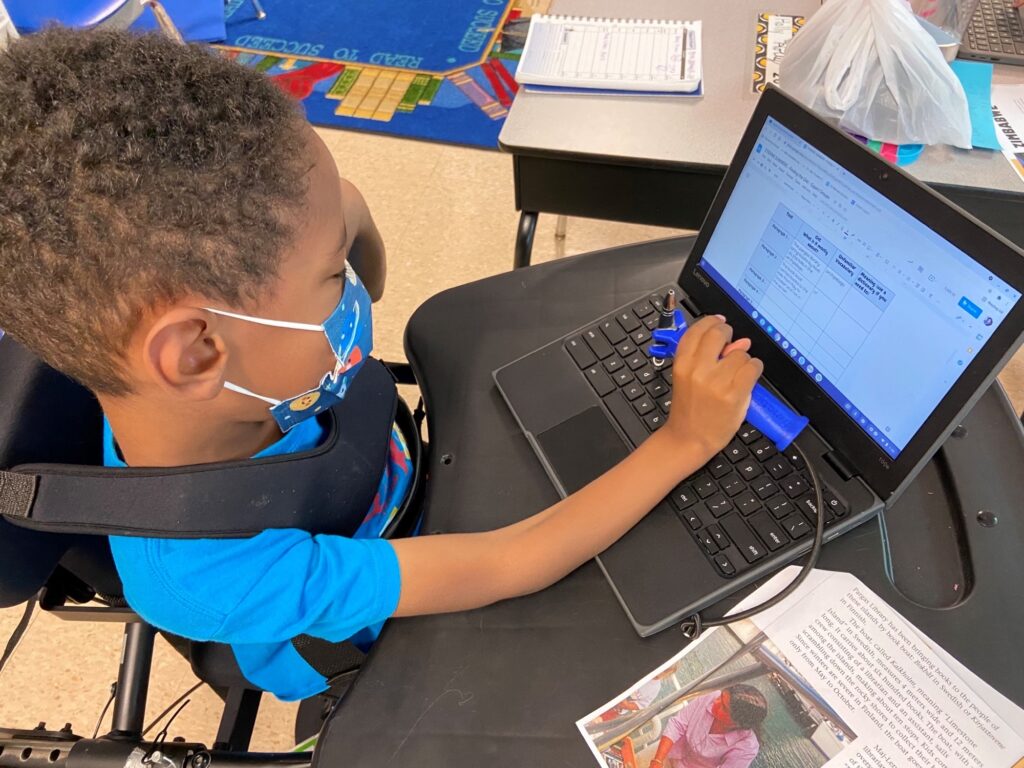
The most useful pediatric occupational therapy tools are not the ones with the longest feature lists. They are the ones that match what a child is actually trying to do. Whether the goal is forming a first letter, scooping with a spoon, or staying regulated enough to join circle time, the right adaptive equipment removes…
Read MoreOccupational Therapy Activities for Kids: A Clinical Guide
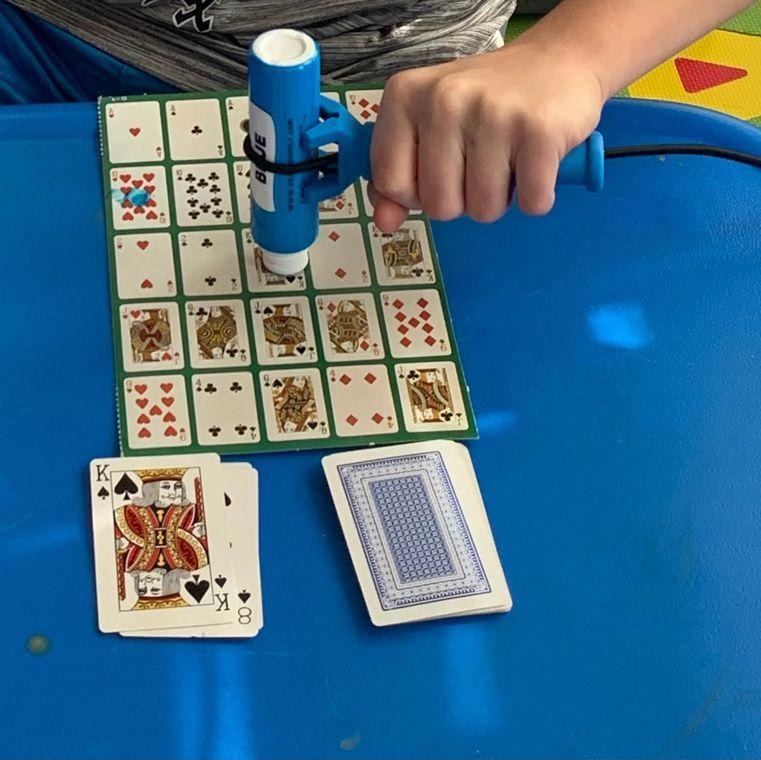
The most effective occupational therapy activities for kids share a quality that has little to do with the activity itself: they change how a child moves, not just what a child does. The activities below are pediatric OT staples — coloring, tracing, games, music, self-feeding — shown in real sessions with children who have hand…
Read More