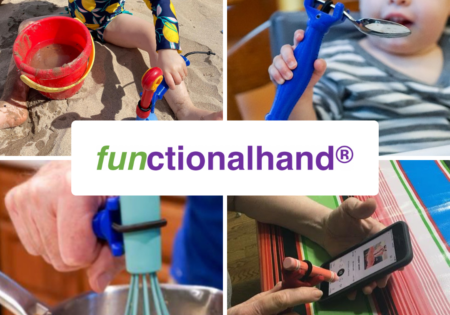
Accessible Wellness Guide with Tips, and Education on the Importance of Supporting Healthy Independence and Daily Routines with the functionalhand®
Celebrating 35 Years of the ADA with strategies, stories, and affordable tools that promote well-being, health, and a culture of inclusion.
Honoring the Americans with Disabilities Act and the Importance of Accessible Wellness
July 26, 2025 marked the 35th anniversary of the Americans with Disabilities Act (ADA)—a milestone in accessibility, inclusion, and equal opportunity. Signed in 1990 by President George H.W. Bush, this landmark legislation declared that people with disabilities deserve the same civil rights protections as everyone else.
In the decades since, the ADA has transformed our built environment, from curb cuts and accessible entrances to inclusive community programs and adaptive public services. But as occupational and physical therapists with more than 35 years of experience each, we know accessibility isn’t just about ramps and public spaces—it’s about what happens in daily routines, at home, in classrooms, and in workplaces.
That’s where accessible wellness comes in—ensuring that every individual can participate in activities that promote physical health, mental health, nutrition, creativity, and overall well-being.

Next Steps Following the ADA: From Public Access to Personal Wellness
Before the ADA: Barriers Everywhere
Before 1990, wellness programs and facilities often excluded people with disabilities. Gyms lacked accessible entrances. Exercise equipment wasn’t designed for varied abilities. Personal care products ignored adaptive needs. Even basic public restrooms posed obstacles.
The message was clear: wellness wasn’t for everyone.
After: How the ADA Changed the Culture and Landscape for People with Disabilities
The ADA required fitness facilities, pools, and wellness spaces to become inclusive. Swimming pools added lifts. Gyms provided accessible equipment. Community centers expanded programs to welcome participants of all abilities.
Beyond the ADA: Accessibility for Personal Wellness
Yet, public accessibility doesn’t solve every challenge. The law can’t redesign a toothbrush handle, make a spatula easier to grip, or help a person hold a paintbrush to express themselves creatively.
This is the personal wellness gap—the intimate, everyday challenges that still limit independence and participation.
Public Accessibility vs. Personal Wellness Accessibility
| Public Accessibility(ADA Focus) | Personal Wellness Accessibility (functionalhand® Focus) |
| Goal: Equal access to public spaces and programs | Goal: Independence in daily routines and meaningful activities, including play with peers |
| Examples: Ramps, curb cuts, accessible restrooms, pool lifts, adaptive gym equipment | Examples: Adaptive tools for eating, grooming, cooking, art, exercise, and tech use |
| Where It Happens: Gyms, schools, workplaces, community centers | Where It Happens: Homes, classrooms, therapy spaces, personal care areas |
| Activities Impacted: Attending events, participating in group fitness, using public facilities | Activities Impacted: Brushing teeth, preparing meals, painting, making music, doing homework |
| Long-Term Impact: Inclusive environments across society | Long-Term Impact: Improved health, mental well-being, confidence, and quality of life. Becoming an active participant in play with peers! |
Why Accessible Wellness Matters
Accessible wellness means more than just reaching a facility—it’s about empowering individuals to manage their own routines and enjoy the activities that bring them joy. It blends physical health, mental well-being, mindfulness, and daily function into a holistic approach.
It’s:
- Emma, a student with cerebral palsy, participating in art class alongside her peers.
- Gabriel, holding a paintbrush for the first time and connecting with his grandfather’s artistic legacy.
- A grandmother with Parkinson’s, video calling her family without assistance.
These moments are not just about activity—they’re about dignity, participation, and a healthier lifestyle.
The functionalhand®: An Adaptive Tool for Real-Life Wellnes
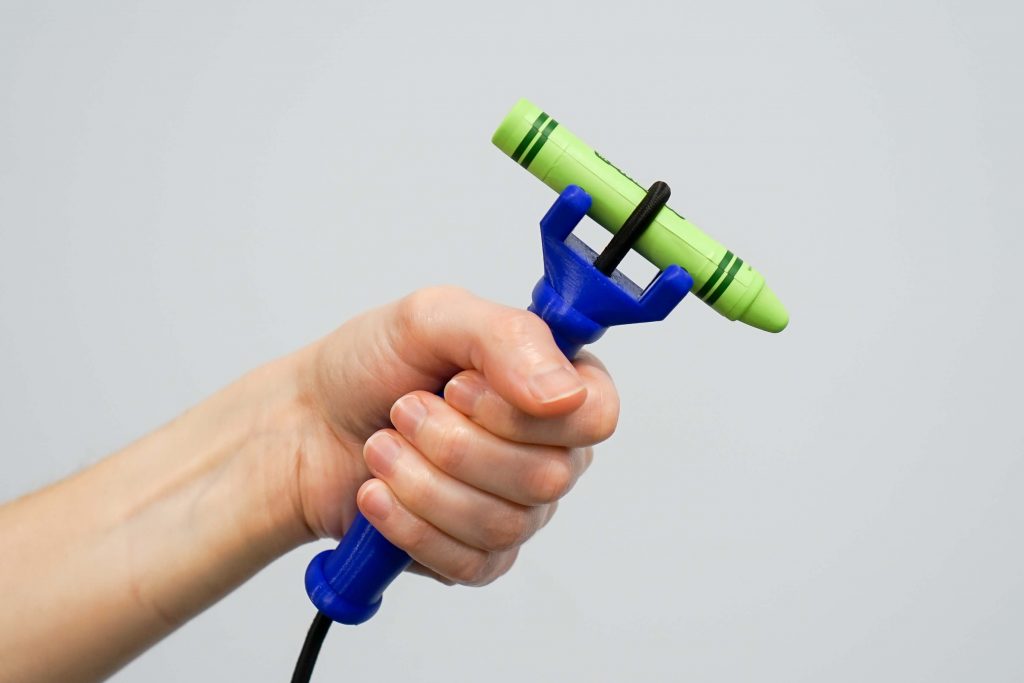
We created the functionalhand® not as just another universal cuff, but as a versatile, affordable resource that supports natural hand function, promotes long-term hand health, and integrates into daily routines.
Key benefits:
- Supports natural arches to protect hand structure.
- Holds objects horizontally and vertically—from toothpicks to water bottles.
- Designed by therapists for safe biomechanics.
- Replaces multiple single-purpose devices, making it a flexible and affordable solution.
- Promotes confidence, inclusion, and well-being for people with weak grips.
Check out the photos below for a before and after to see how much the functionalhand® can improve biomechanics and promote independence and confidence:

Before
Ryan struggled to orient his paintbrush, requiring him to rotate his entire shoulder and forearm inward, flex his wrist, and ulnarly deviate his hand to paint. This inefficient positioning caused excessive energy use and made it difficult for him to maintain his grasp, leading to compensatory tightening in his other arm and hand.

After
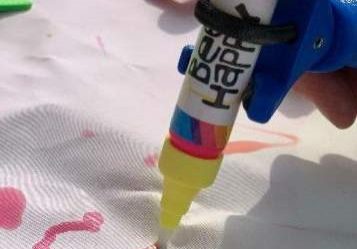
The functionalhand® allows Ryan to paint while maintaining the brush in an upright orientation (biomechanical alignment) supporting the ergonomics of the hand, allowing him to better align the rest of his arm and shoulder. The paintbrush is stable in his hand and allows him to paint for longer periods with less overflow to the other arm and expending less energy.
Real Stories of Accessible Wellness from functionalhand® Customers

Silas’s Creative Breakthrough
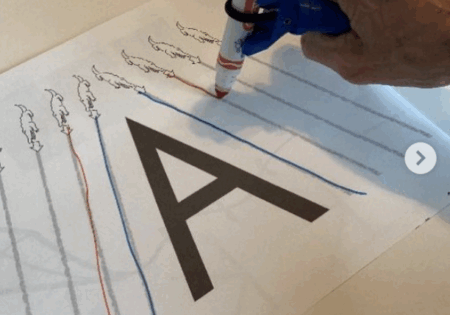
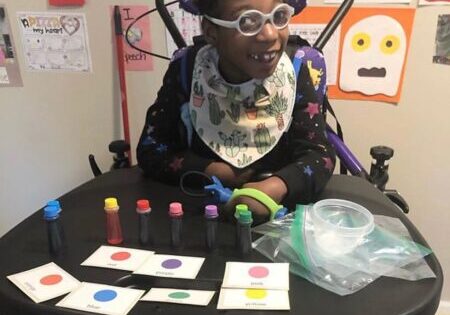
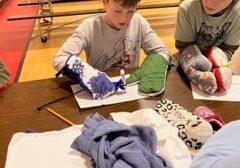
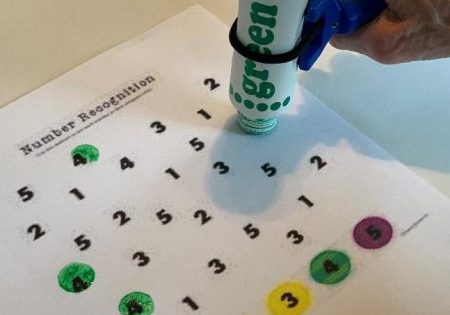
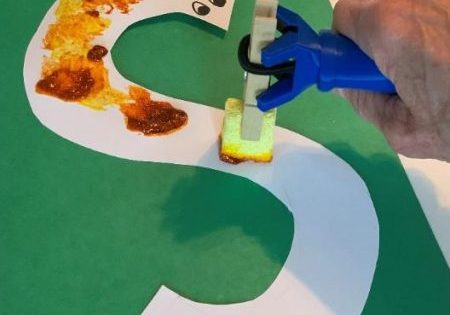
Silas, a young boy with cerebral palsy, struggled with art supplies, writing utensils, and toys. With the functionalhand®, he paints, writes, glues, dyes Easter eggs, and plays with action figures. His mom, Melly, says: “The possibilities are endless.”
For Silas, accessible wellness means full participation in classroom activities, imaginative play, and fine motor skill development.
Gabriel’s First Grasp
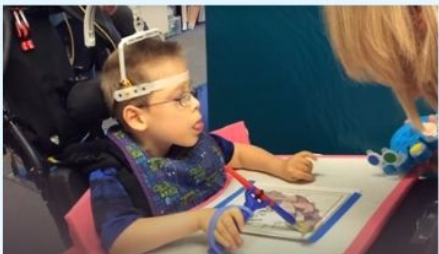
Parent Yvonne shared a milestone: “It was the first time Gabriel has held anything.”
Now able to hold a paintbrush, Gabriel paints—and connects to his grandfather’s artistic heritage. This is wellness at its most personal, blending mental health, creativity, and physical ability.

Lucy’s Digital Independence
Journalist Lucy Currier, who has cerebral palsy, used the functionalhand® to hold a stylus and operate her tablet for the first time. She wrote her name and even colored with her left hand—something she’d never done before. Small steps, big impact—improving professional efficiency, creative expression, and overall well-being.
(Here’s the link to Lucy’s review if you want to see all the things she was able to do with her functionalhand®!)

Ruth’s Everyday Independence
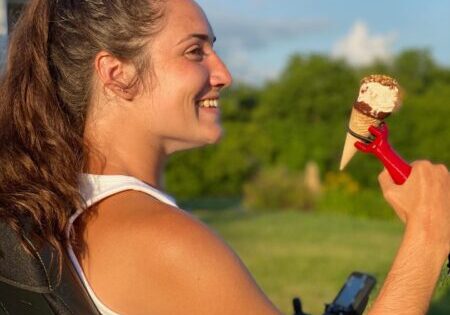
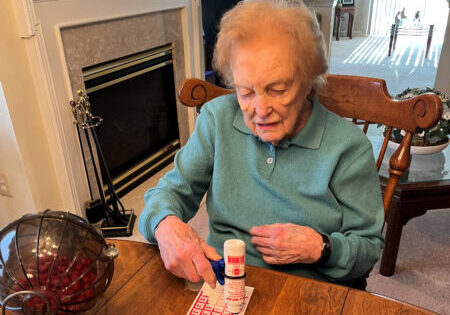
Ruth Harrigan uses her functionalhand® for TV remotes, utensils, and personal care items like brushes and deodorant: “I highly recommend it.”
For seniors, this independence can mean staying in their homes longer and maintaining autonomy.
More Success Stories
- Homework confidence – Stella now completes assignments without frustration.
- Music restored – A student with progressive muscle disease bows her violin again.
- Social connection – An adult with Parkinson’s uses a stylus to stay in touch with family.
- Self care – A teenager who was thrilled about her newfound ability to be able to paint her nails independently for the first time.
- Stress relief – Michael, an artist with hand mobility challenges uses painting to relax tight muscles.
How the functionalhand® Promotes Healthy, Inclusive Routines
Morning Wellness Routines
Supports independence in brushing teeth, applying skincare, and managing grooming tools. Builds confidence in children and preserves dignity in adults.
Exercise and Physical Wellness
Holds resistance bands, light weights, yoga props, and water bottles securely. Supports proper hand positioning during workouts to reduce strain.
Nutrition and Cooking Independence
Assists with utensils, food prep tools, and beverage containers. Encourages healthier eating habits and family mealtime participation.
Creative Wellness and Stress Relief
Enables painting, music, and crafts—activities linked to improved mental health, stress relief, and mindfulness.
Accessible Wellness Strategies for Individuals and Caregivers
- Identify key challenges – Which daily activities would make the biggest impact if made accessible?
- Start small – Choose one priority area—homework, meal prep, or personal care.
- Build on success – Early wins encourage trying new activities.
- Integrate into wellness programs – Schools, rehab centers, and community groups can use tools like the functionalhand® to ensure inclusive participation.
- Empower the individual – Accessibility works best when it supports personal goals and preferences.
Frequently Asked Questions
Q: Will the functionalhand® work for my condition?
A: Anyone with a weak grip or hand deformity can benefit from using the functionalhand®, such as people with cerebral palsy, Parkinson’s disease, arthritis, stroke recovery, muscular dystrophy, tremors, and more. Pairing the functionalhand® with a device like the Eazyhold Silicone Cuff can provide extra assistance for people who are not able to wrap their hands around the handle of the functionalhand®.
Q: Can I use it in water?
A: Yes. The functionalhand® is water-resistant, ideal for bathing tasks like holding soap or bath toys. It’s also dishwasher safe, making it a smart choice for messy projects like painting, cooking, gardening, and more. (Check out our post on summer activities with the functionalhand® if you need some ideas!)
Q: How is it different from other cuffs?
A: The functionalhand® is designed to support the natural hand arches, to prevent repetitive use injury and accelerating further deformities. It’s also extremely versatile because it holds a wide range of object sizes with both the vertical and horizontal grip, eliminating the need to invest in multiple devices. This is extremely valuable for classroom activities, performing self-care, feeding, and other activities of daily living, as well as hobbies like gardening, painting, writing, and more.
Honoring the ADA’s Commitment to Public Accessibility While Addressing the Concerns for Accessible Personal Wellness
The ADA gave us the framework for accessibility. Tools like the functionalhand® bring that vision into the personal wellness space, ensuring that physical, mental, and social health are accessible to all.
At just $42.95, it’s an affordable, tailored solution that helps individuals participate fully in their routines, improve their quality of life, and maintain independence.
With the right tools — and the right heart — anything is possible.
❤️ — Celine and Linda
Ready to make daily routines healthier, more accessible, and more independent?
Get the functionalhand® Today!
Order your functionalhand® today and join thousands who have discovered new possibilities for participation, dignity, and joy.
Available Now for $42.95
- Order a functionalhand®: For just $42.95, you can provide yourself or a loved one with a versatile tool that supports independence across countless daily activities.
- Share with Caregivers and Healthcare Providers: If you know occupational therapists, physical therapists, or healthcare providers who work with seniors, let them know about this revolutionary adaptive tool.
- Explore Resources: Connect with organizations like the Arthritis Foundation or your local Area Agency on Aging for additional support and resources for seniors with hand mobility challenges.
- Join the Conversation: Follow @functionalhand on social media to see inspiring stories of how this adaptive tool is changing lives and share your own experiences.
The functionalhand® universal cuff is not intended to diagnose, treat, cure, or prevent any disease. Always consult with a licensed healthcare professional before making changes to your adaptive equipment routine.
About the Authors, Owners, and Inventors of the functionalhand®
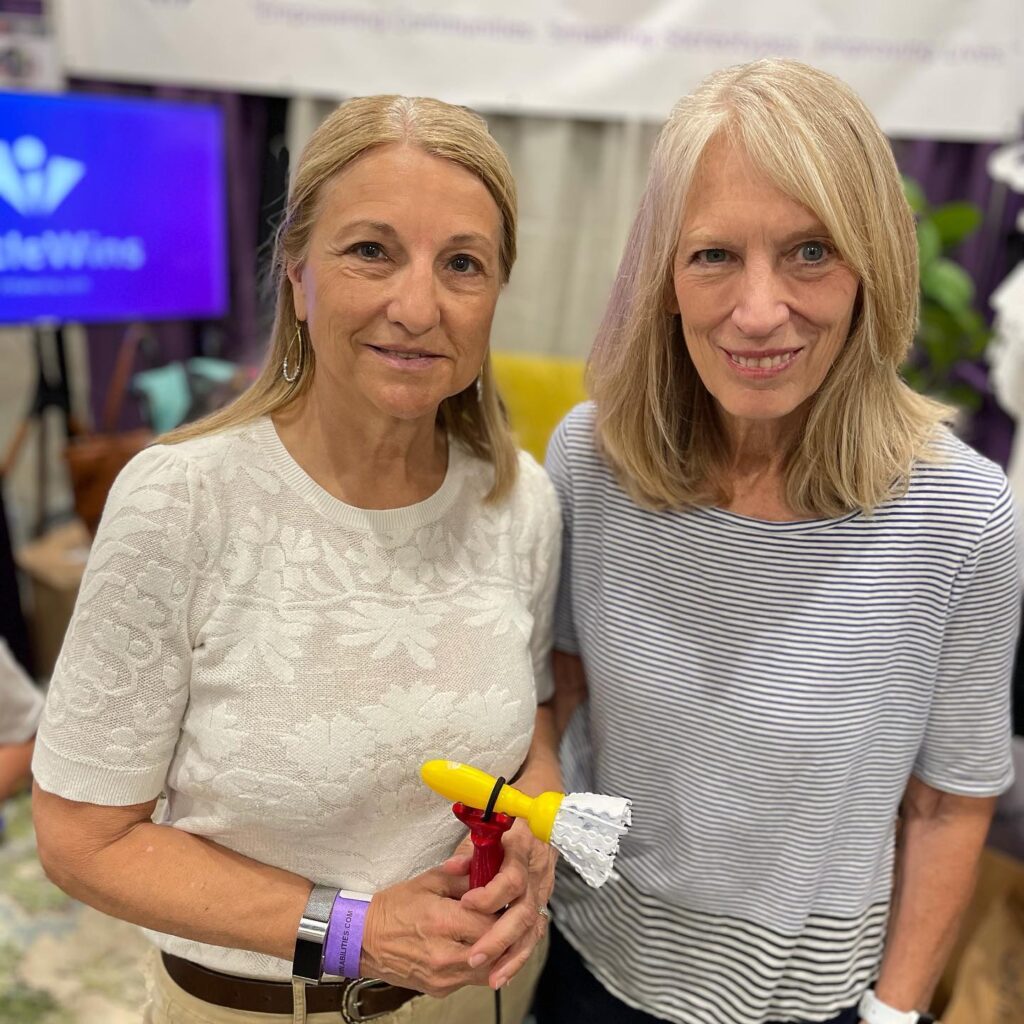
Celine Rosati Skertich, PT, and Linda Merry, OT, each have over 35 years of experience empowering individuals with motor impairments improve postural control and functional independence. Linda specializes in creating custom tools for grasp deficits, inspiring their collaboration on the functionalhand®, an adaptive tool designed to support diverse grasp needs. Follow them for therapeutic tips on YouTube, Instagram, and Facebook.
PS: Coming Soon…The functionalhand® Mini!
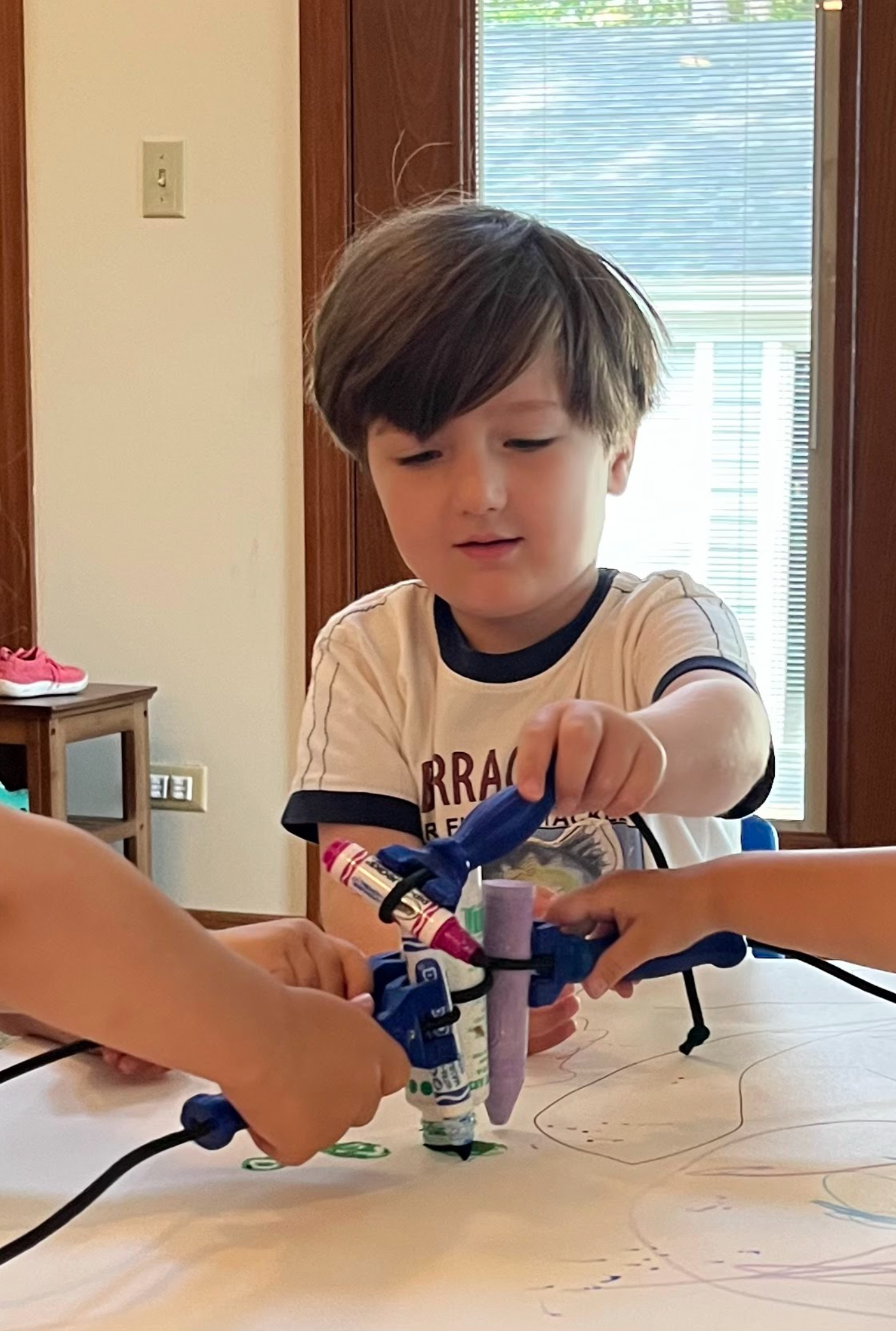
At functionalhand® by Thera-Solutions, we understand that participation and independence have no age limits—they simply depend on learning and development, which starts with access to tools that meet a child’s physical needs.
Following the incredible successes we’ve seen with our current functionalhand®, we recognized the tremendous benefits that younger children could experience when given access to the right tools at the right time.
That’s why we’re thrilled to introduce the functionalhand® mini—specifically designed for young children just starting out on their path to independence through pre-writing and play.
✨ Keep an eye on our website! ✨
Be the first to know when functionalhand® mini becomes available and help the youngest learners in your life take their first steps toward independence.